









The Echoes of Confusion
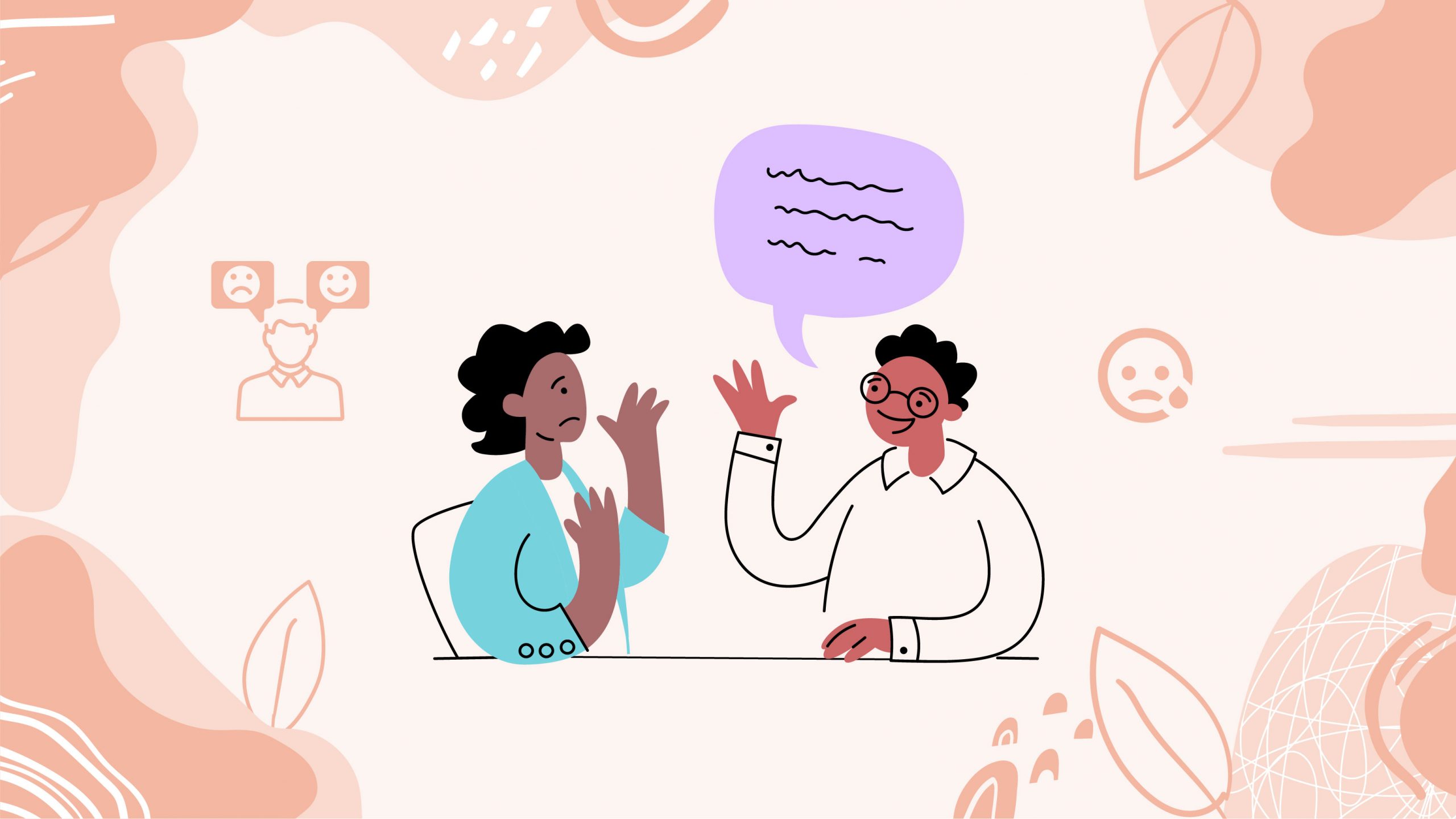
Every day, we navigate a sea of interactions, each fraught with potential for misunderstanding. Communication is the bedrock of relationships, yet it’s astonishing how often our words, gestures, or silence lead to confusion and conflict.
The struggle with communication is universal, touching every aspect of human interaction, from personal relationships to professional environments.
Misunderstandings can escalate from minor confusions to major conflicts, straining relationships and creating a sense of isolation or frustration. The complexity of human language, combined with individual differences in perception and expression, sets the stage for these frequent disconnects, making effective communication one of life’s ongoing challenges.
When Words Warp
The struggle with communication is a universal human experience, characterized by the frequent misunderstandings that arise from our interactions. These miscommunications can lead to conflict, strained relationships, and unmet expectations, impacting both personal and professional life. Despite best intentions, what we say and what others understand can often diverge, creating a chasm that can be challenging to bridge.
The Neurochemistry of Misunderstanding
Miscommunication can stem from the complex interplay of language processing, emotional interpretation, and cognitive biases within our brains. When we communicate, our brain’s language centers, primarily located in the Broca’s and Wernicke’s areas, decode and construct language.
However, the intended message can be distorted by factors such as tone, body language, and context, which engage other brain regions like the amygdala, known for processing emotions.
Stress and anxiety can exacerbate communication struggles, triggering the body’s stress response and releasing hormones like cortisol, which may narrow our focus and hinder our ability to interpret nuances in language and expression. Cognitive biases also play a role, as our preconceived notions and past experiences can filter and sometimes distort how we perceive and convey information.
Strategies for Clearer Communication
To improve communication and reduce misunderstandings, consider these actionable strategies:
- Active Listening: Focus fully on the speaker, taking in their words, tone, and body language, and reflect back what you’ve understood. This helps ensure that the message received matches the sender’s intent.
- Clear and Concise Expression: Be direct and straightforward in your communication. Avoid jargon or overly complex language that could be misinterpreted.
- Emotional Regulation: Manage your emotions to prevent them from clouding your message or interpretation. Techniques like deep breathing or mindfulness can help maintain emotional balance during conversations.
- Seek Clarification: If unsure, ask questions to clarify the speaker’s meaning, reducing the chance of misinterpretation.
- Feedback Loop: Encourage feedback to ensure that your message is understood as intended and be open to adjusting your communication style accordingly.
Subscribe to newsletter
Get your “Gut Health Starter Guide” right now.
Elevate your Tuesdays with practical, science-backed wisdom propelling you forward on your gut health journey.

From Confusion to Clarity
Alex sat quietly at the dinner table, reflecting on the journey that transformed his communication landscape. Gone were the days of constant misunderstandings and simmering frustrations that clouded his interactions at work and home. He remembered the turning point—realizing that the cycle of confusion and conflict stemmed from how he communicated and interpreted others’ words.
Determined to change, Alex dove into the world of active listening. He learned to tune into not just the words but the feelings behind them, peering into the emotional undertones of conversations. This shift wasn’t overnight. It took patience and practice, listening more than speaking, absorbing the subtleties of tone and body language.
“Looking back, I see a man who was quick to respond and slow to understand. My eagerness to put my point across often overshadowed my willingness to listen and empathize. This led to many avoidable clashes, especially with those closest to me. The journey from that realization to where I am now was paved with intentional changes in how I engage in conversations.
I began to practice pausing before responding, allowing myself time to process what was being said truly. I paid attention to the non-verbal cues, the pauses, the sighs, and the unspoken words that often carry the weight of true meaning. I also started to express my thoughts more clearly, choosing my words carefully to ensure they reflected my true intent.
One of the biggest changes was learning to manage my emotions during discussions, especially challenging ones. I used to react quickly, letting my feelings lead my responses, often escalating disagreements. Now, I strive to respond thoughtfully, keeping my emotions in check to maintain a clear and constructive dialogue.
The impact of these changes has been profound. My relationships, particularly at work and with my family, have grown stronger and more trusting. Misunderstandings have decreased significantly, and when they do occur, we navigate them with less friction and more understanding.
This transformation didn’t just improve my interactions with others; it also brought me internal peace and a sense of control over my life. I’ve learned that effective communication is not just about exchanging information; it’s about connecting with people, understanding them, and being understood.”
Alex’s story is a testament to the power of intentional effort in transforming communication skills. It underscores the possibility of turning the tide of chronic miscommunication into a flow of clear, empathetic, and effective interactions, enhancing both personal growth and relationship quality.