


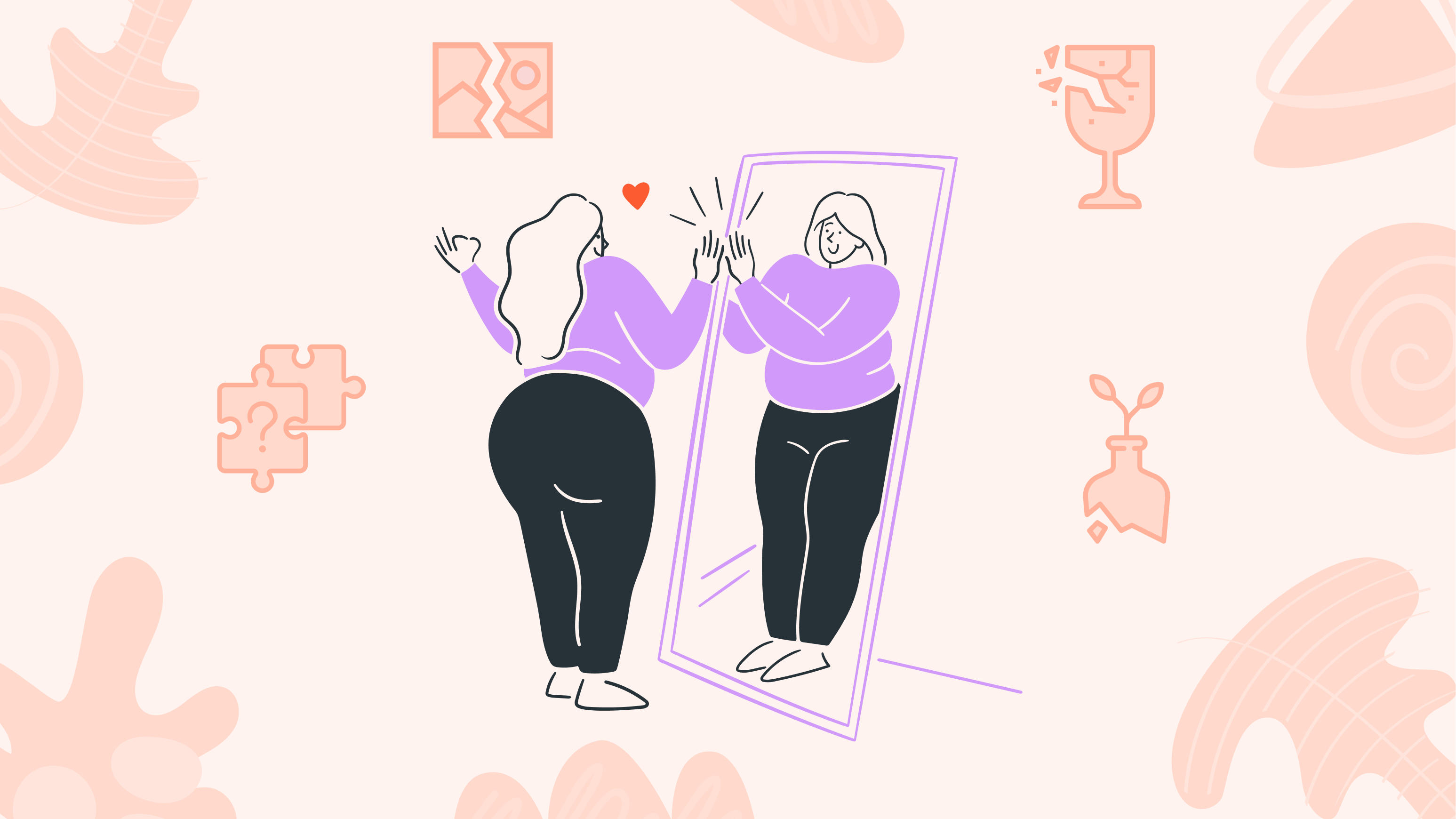

What is Social Comparison?
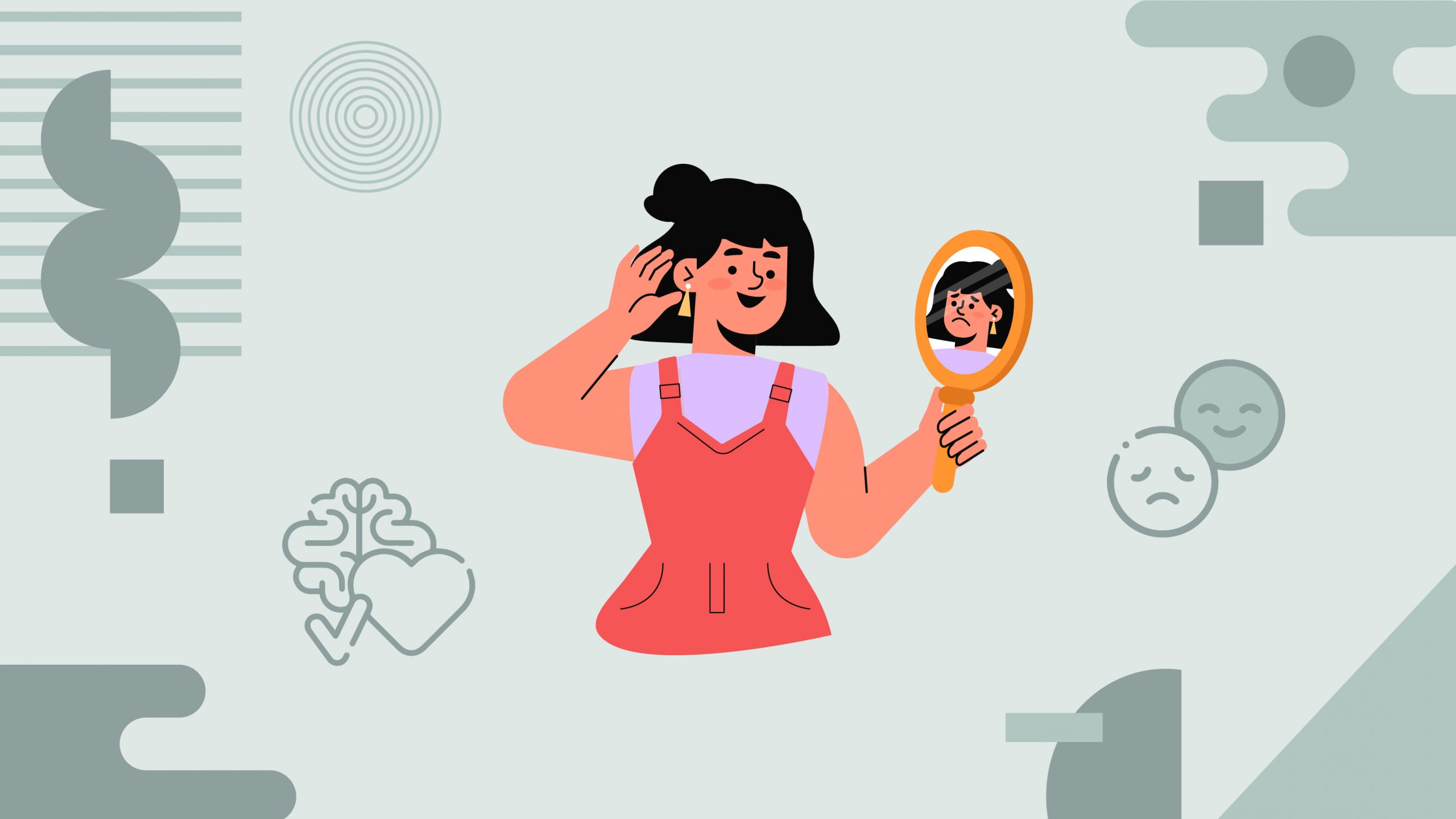
No matter where you cast your eyes—be it the quiet of your suburban street, the buzz of your office, or the endless scroll through your social media feeds—the invisible race is omnipresent. We’re all unwitting participants in the relentless competition known as keeping up with the Joneses. It’s that undeniable tug you feel when you see a neighbor’s brand-new car in their driveway or a coworker’s vacation photo from some remote, sun-drenched paradise. That inner voice whispering, “It’s time to step it up.” Driven by this impulse, we chase after the latest gadgets, the most colossal TVs, and the freshest trends off the runway, all in a bid to not just keep up, but ideally to lead the pack.
But let’s pause and consider—what is this race really costing us? On the surface, it seems to be about accumulating the coolest, newest stuff or racking up experiences that others envy. However, if we peer beneath this glossy exterior, we often discover that we’re trapped in an exhausting cycle of endless comparison. Each new acquisition or achievement might give us a fleeting rush of excitement, but this satisfaction quickly dims when we see others pushing even further ahead. Our victories suddenly seem smaller, our prized possessions less dazzling. It’s akin to being on a treadmill—no matter how fast or tirelessly you run, you find yourself staying in the same place.
This constant striving for more can turn our lives into a paradox where satisfaction is perpetually just out of reach. We become so engrossed in outpacing others that we rarely stop to ask ourselves if these pursuits are truly making us happy or if they’re merely distractions from what genuinely matters. The real challenge is not in the acquiring but in understanding why we feel compelled to keep this relentless pace and whether it truly enriches our lives or simply leaves us more jaded and exhausted than ever.
The Science Behind Comparison
Ever find yourself wondering why it’s so easy to fall into the trap of comparing yourself with others? It turns out, our brains are wired for this kind of social measuring, and it’s not just a habit picked up from social media or modern consumer culture—it goes way back. Biologically and psychologically, humans are designed to assess their success relative to those around them. This instinct traces back to our ancestors for whom survival often depended on understanding their place within the social hierarchy—securing the best resources, ensuring safety, or finding the most suitable mate. Today, while we’re not dodging predators or scavenging for our next meal, the same basic brain wiring influences us in subtler ways, like coveting the latest smartphone or that luxury car parked next door.
At the heart of this comparison trap is our brain’s reward system, which is deeply entwined with our neurological responses to success and failure. When we perceive ourselves as doing better than our peers—say, getting a promotion, buying a fancier car, or even just receiving more likes on a social media post—our brain rewards us by releasing dopamine. This neurotransmitter is often associated with pleasure and satisfaction, acting as a mental pat on the back, boosting our mood, and spurring us on to continue striving for more. It’s the brain’s way of saying, “You’re doing great, keep it up!”
However, there’s a flip side to this rewarding mechanism. When we see others outpacing us or when we feel like we’re not measuring up, our brain switches gears and begins producing cortisol, a hormone associated with stress and anxiety. This not only lowers our mood but can also leave us feeling discouraged and inadequate. This stress response is a throwback to those times when falling behind in the social hierarchy could have serious repercussions, and while the stakes might not be life and death today, our brain’s reaction can still feel intensely negative.
This neurochemical seesaw—between dopamine-driven elation when we’re up and cortisol-fueled stress when we’re down—plays a significant role in our daily emotional landscape. It influences how we feel about ourselves and our lives, swaying our moods and coloring our decisions, often without our even being aware of it.
So next time you catch yourself feeling green-eyed over someone else’s achievements or possessions, take a moment to recognize what’s really going on. It’s not petty jealousy or a personal failing; it’s your brain operating on ancient programming. Understanding this can help you step back from those feelings of envy or inadequacy and perhaps refocus on what truly brings you contentment and fulfillment, beyond the relentless race of comparison.
Subscribe to newsletter
Get your “Gut Health Starter Guide” right now.
Elevate your Tuesdays with practical, science-backed wisdom propelling you forward on your gut health journey.

Strategies to Craft Contentment
So, how do we step off this relentless treadmill of comparison? The key is to redefine what success means on a deeply personal level.
- Set Personal Goals: Instead of benchmarking against others, establish personal goals based on what truly matters to you—be it career satisfaction, personal growth, or family time. This shift refocuses your energy on what will genuinely improve your life quality.
- Cultivate Gratitude: Regularly acknowledging what you already have can mitigate the desire for more. Keeping a gratitude journal or simply reflecting daily on positive aspects of your life can shift your focus from what’s missing to what’s abundant.
- Limit Social Media Exposure: Social media platforms are hotspots for comparison. Intentionally reducing the time spent on these platforms, or curating your feeds to reduce exposure to trigger content, can significantly lessen the comparison impulse.
- Engage in Meaningful Activities: Invest time in activities that align with your values and enhance your sense of purpose. Whether it’s volunteering, creative pursuits, or outdoor activities, engaging in meaningful actions can boost your self-esteem and reduce the urge to compare.
A Tale of True Triumph
Meet Clara, a 34-year-old marketing executive who once found herself ensnared in the comparison trap. Constant exposure to her colleagues’ successes on LinkedIn and extravagant lifestyles on Instagram left her feeling inadequate and unsuccessful. This perpetual sense of falling short began to erode her confidence and happiness.
Determined to reclaim her peace, Clara embarked on a journey of self-discovery. She started by defining what success truly meant to her, which she realized was about making a meaningful impact and maintaining a healthy work-life balance. She set clear, attainable goals that reflected these values and began tracking her progress.
Clara also made a conscious decision to limit her social media use, particularly during work hours and late at night. Instead, she invested more time in her passion for painting and began attending weekly art classes. This not only enriched her life with genuine satisfaction but also diverted her focus from competitive comparison to personal expression.
Reflecting on her transformed life, Clara shares, “Stepping away from constantly measuring myself against others has freed me from so much stress and anxiety. I’ve found joy in achievements that are meaningful to me, not because they outshine someone else’s. My relationships have deepened, and I feel genuinely content with my life’s trajectory.”