



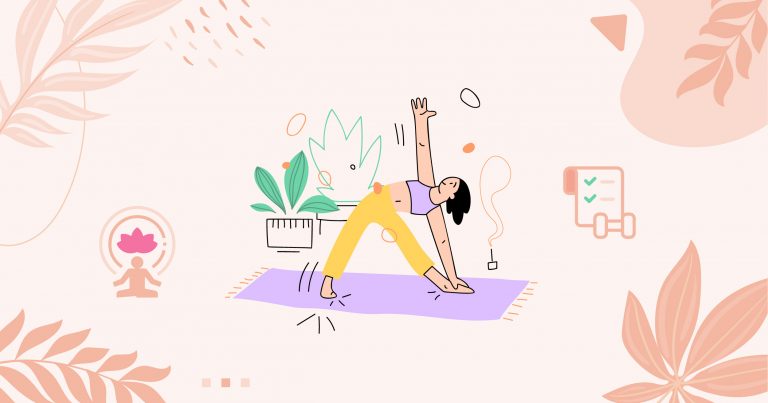
Don't Overlook Flexibility and Balance
In the whirlwind of our day-to-day lives, things like stretching and balancing exercises often fall by the wayside. We’re all about cardio and strength training, while flexibility and balance—the unsung heroes of our physical health—don’t get much of the spotlight. This oversight really comes into play as we age or if you’re an athlete where every ounce of agility and stability counts.
Here’s the catch, most of us don’t think much about improving our flexibility or balance until we’re tripped up by mobility issues or, worse, take a nasty fall. Suddenly, what was once an afterthought becomes a glaring necessity. The truth is, maintaining and enhancing these physical attributes is not just about preventing injuries; it’s about preserving our quality of life and staying spry and active for the long haul.
Ignoring flexibility and balance is like skipping the foundation when building a house. Sure, the structure might stand for a while, but it’s a lot more vulnerable. So why wait until there’s a problem? Incorporating simple flexibility and balance routines into our daily lives can make a world of difference, helping us dodge those avoidable aches and keeping us agile as we navigate through the years.
The Foundation of Fluid Motion
Why is maintaining flexibility and balance so crucial, and why do we struggle with them? On a physiological level, flexibility and balance involve several key components of our body system, including muscles, tendons, nerves, and the brain. Flexibility exercises increase the blood flow to your muscles, improving elasticity and reducing stiffness, which can help prevent injuries. Balance exercises, on the other hand, enhance the communication between the nervous system and the body, improving your proprioception — your body’s ability to perceive its own position in space.
Neurologically, engaging in balance and flexibility exercises stimulates the cerebellum, an area of the brain that regulates coordination and motor control, as well as the sensory and motor cortices. These areas of the brain are crucial for integrating sensory input and executing smooth and coordinated movements.
Let’s dive into why keeping yourself limber and balanced is more important than you might think. At the core of flexibility and balance, there’s a whole symphony playing inside your body, involving muscles, tendons, nerves, and even your brain. When you stretch or engage in balance exercises, you’re not just loosening up or staying upright; you’re enhancing the blood flow to your muscles. This not only improves their elasticity and decreases stiffness but also ramps up your injury prevention game.
But there’s more to the story. Balance exercises do wonders for your inner communication lines, boosting the signals between your nervous system and your body. This enhances your proprioception—that’s a fancy way of saying your body’s knack for knowing where it is in space. Ever wonder how you can touch your nose with your eyes closed? That’s proprioception in action!
Now, let’s talk about brain-power. When you challenge yourself with a balance pose or a new stretch, you’re actually giving a workout to your cerebellum—the part of your brain that’s a bit like a conductor, keeping your movements smooth and coordinated. It also fires up your sensory and motor cortices, crucial command centers for interpreting sensory data and planning those precise movements.
So, bending and balancing aren’t just about physical fitness; they’re about creating a robust, responsive body and brain that can handle whatever life throws your way. Whether it’s sidestepping a puddle or reaching for that top shelf, your body’s ability to adapt and respond hinges significantly on these often-overlooked aspects of fitness.
Subscribe to newsletter
Get your “Gut Health Starter Guide” right now.
Elevate your Tuesdays with practical, science-backed wisdom propelling you forward on your gut health journey.

Steps to Suppleness and Stability
- Daily Stretching Regimen: Incorporate a routine of dynamic stretches in the morning to improve elasticity throughout the day and static stretches in the evening to relax muscles and aid in recovery.
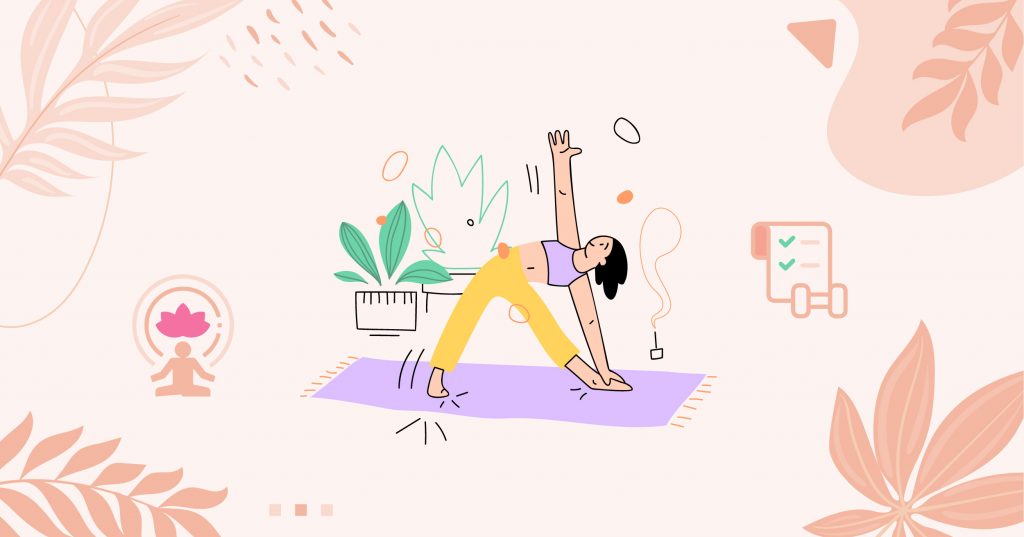
- Yoga Practice: Engage in yoga several times a week to enhance both flexibility and balance. Yoga poses build core strength and promote an increased range of motion, which supports better balance and flexibility.
- Tai Chi Sessions: Practice Tai Chi, a martial art known for improving balance and functional mobility through slow, controlled movements and deep breathing that enhance body awareness.
- Balance Challenges: Add simple balance exercises like standing on one leg or walking heel-to-toe daily. These can be done almost anywhere and significantly improve your balance over time.
- Use It or Lose It: Regularly participate in activities that require balance and flexibility, such as dancing, swimming, or cycling, which can be adapted to all ages and fitness levels.
A Daily Stretching Routine
Emma, a 62-year-old retiree who found her declining flexibility and balance were starting to impact her active lifestyle. After experiencing a minor fall while gardening, she realized the importance of taking proactive steps to improve her physical condition.
“I started with gentle yoga classes designed for seniors,” Emma shares. “At first, it was challenging, but I noticed improvements not just in my ability to reach and bend, but also in my confidence moving around.”
Encouraged by her progress with yoga, Emma added Tai Chi to her routine. “Tai Chi helped me feel more grounded and stable; it was also incredibly relaxing and meditative.”
Emma’s dedication to incorporating these practices into her daily life led to significant health improvements. “Not only have I improved my flexibility and balance, but my overall health has benefited as well. I’ve better managed my arthritis pain, and my stress levels have decreased.”
Emma’s journey demonstrates the profound benefits of prioritizing flexibility and balance, particularly as we age. “My advice to others is simple,” she concludes, “Incorporate flexibility and balance exercises into your routine. It’s never too late to start, and the benefits can truly change your life.”