





The Energy Equation
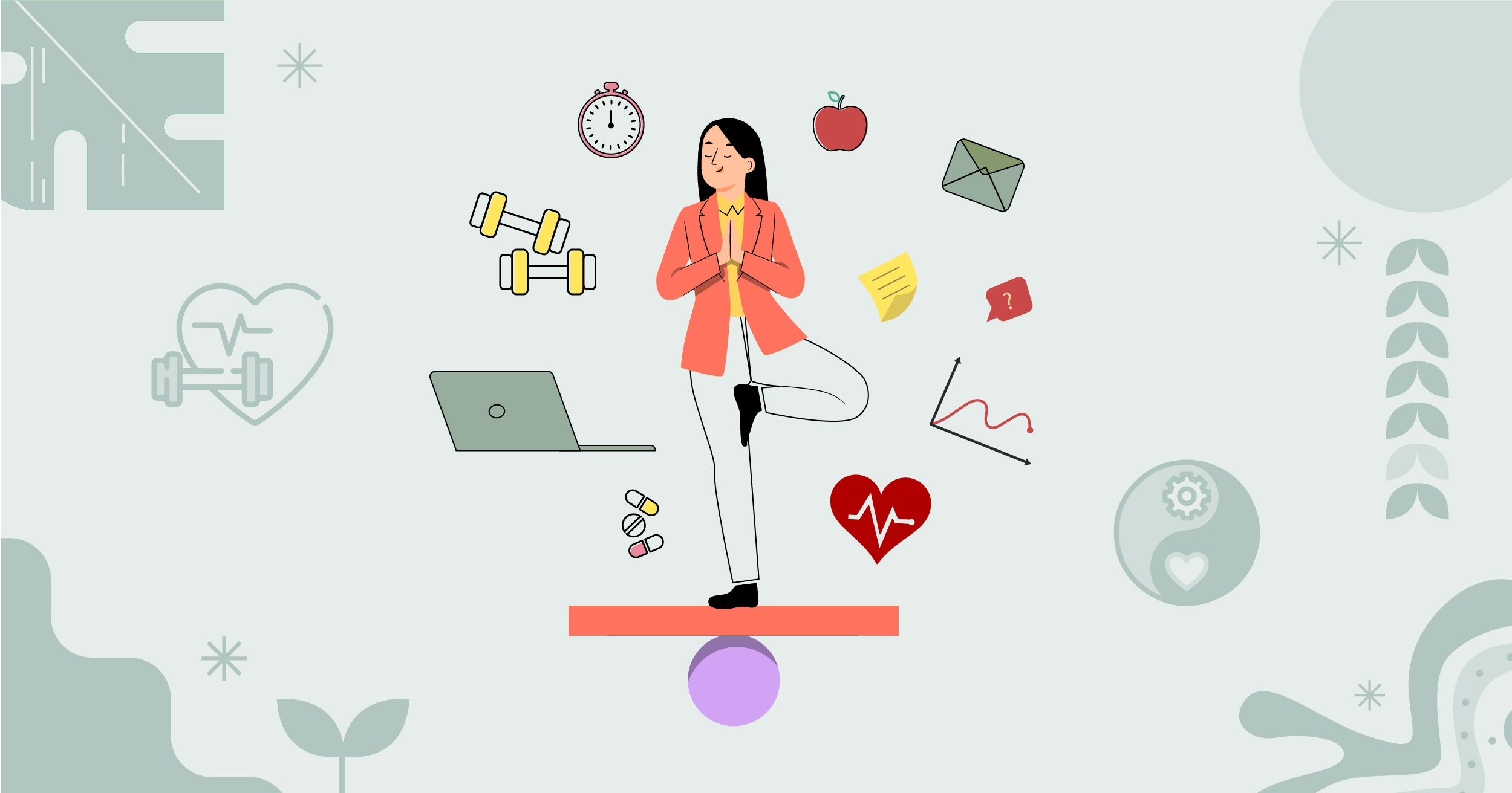
Navigating the energy equation in today’s non-stop world sure feels like a tightrope walk. We’re all in this juggling act, trying to keep our energy levels in check while life throws curveballs at us.
It’s all about striking that perfect balance: pouring energy into our work, relationships, and personal ambitions on one side, and on the other, refilling the tank with good sleep, the right food, and some quality downtime.
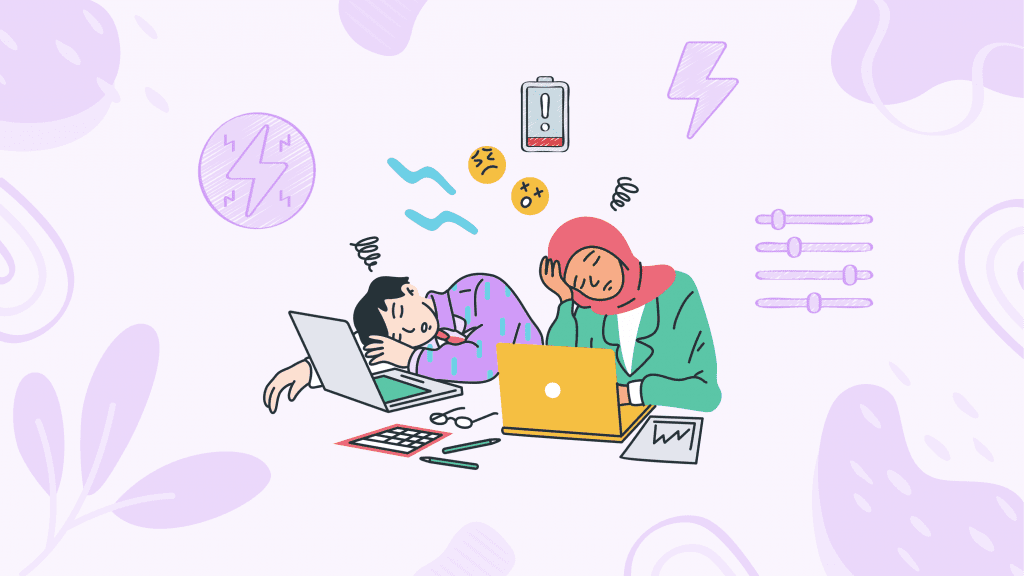
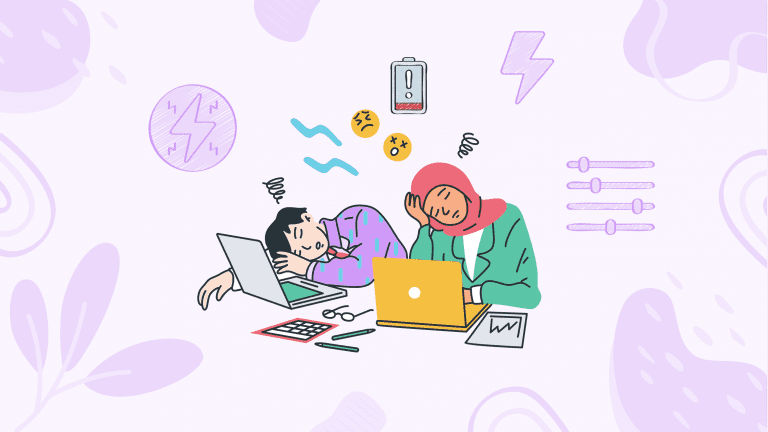
But let’s face it, swinging from bursts of high energy to the depths of exhaustion is a reality many of us face, often feeling like we’re just one step away from running on empty. It’s this relentless see-saw that can send us spiraling into burnout, leaving us stressed out, less productive, and frankly, a bit miserable.
So, the big question is, how do we keep our energy batteries charged and ready to go, without tipping over into the land of exhaustion? It’s a puzzle we’re all trying to solve, aiming for that sweet spot where we have enough juice to power through our day-to-day, yet still have enough left over to enjoy life’s little pleasures.
The Science of Stamina
The concept of energy management is not just about physical stamina but also involves a complex interplay of neurological and neurochemical processes. At the core, our energy levels are regulated by the brain, which monitors the body’s resources and signals when to rest or recharge.
Neurotransmitters like dopamine and serotonin play significant roles; dopamine affects motivation and reward-driven behavior, while serotonin influences mood and energy. When these systems are out of balance, due to factors like poor sleep, unhealthy diet, or stress, it can lead to feelings of tiredness and a lack of energy.
Moreover, the body’s circadian rhythm, or internal clock, dictates natural fluctuations in energy throughout the day, influencing when we are most alert and when we need rest.
Ignoring these natural rhythms by, say, skimping on sleep or overworking, can disrupt this balance, leading to chronic fatigue and reduced efficiency.
Steps to Energize Your Existence
To harness the power of energy management, consider these actionable steps:
- Sync with Your Circadian Rhythm: Pay attention to your body’s natural energy highs and lows throughout the day and schedule demanding tasks during peak times.
- Quality Rest: Prioritize sleep and aim for 7-9 hours per night to restore both mind and body.
- Nutrition for Vitality: Consume a balanced diet rich in nutrients that fuel energy, like whole grains, lean proteins, fruits, and vegetables.
- Regular Exercise: Engage in physical activity to boost endorphin levels, which increase energy and improve mood.
- Mindfulness and Meditation: These practices can reduce stress and enhance mental clarity, leading to better energy management.
- Scheduled Downtime: Incorporate regular breaks and leisure activities into your routine to recharge your mental and physical batteries.
Subscribe to newsletter
Get your “Gut Health Starter Guide” right now.
Elevate your Tuesdays with practical, science-backed wisdom propelling you forward on your gut health journey.

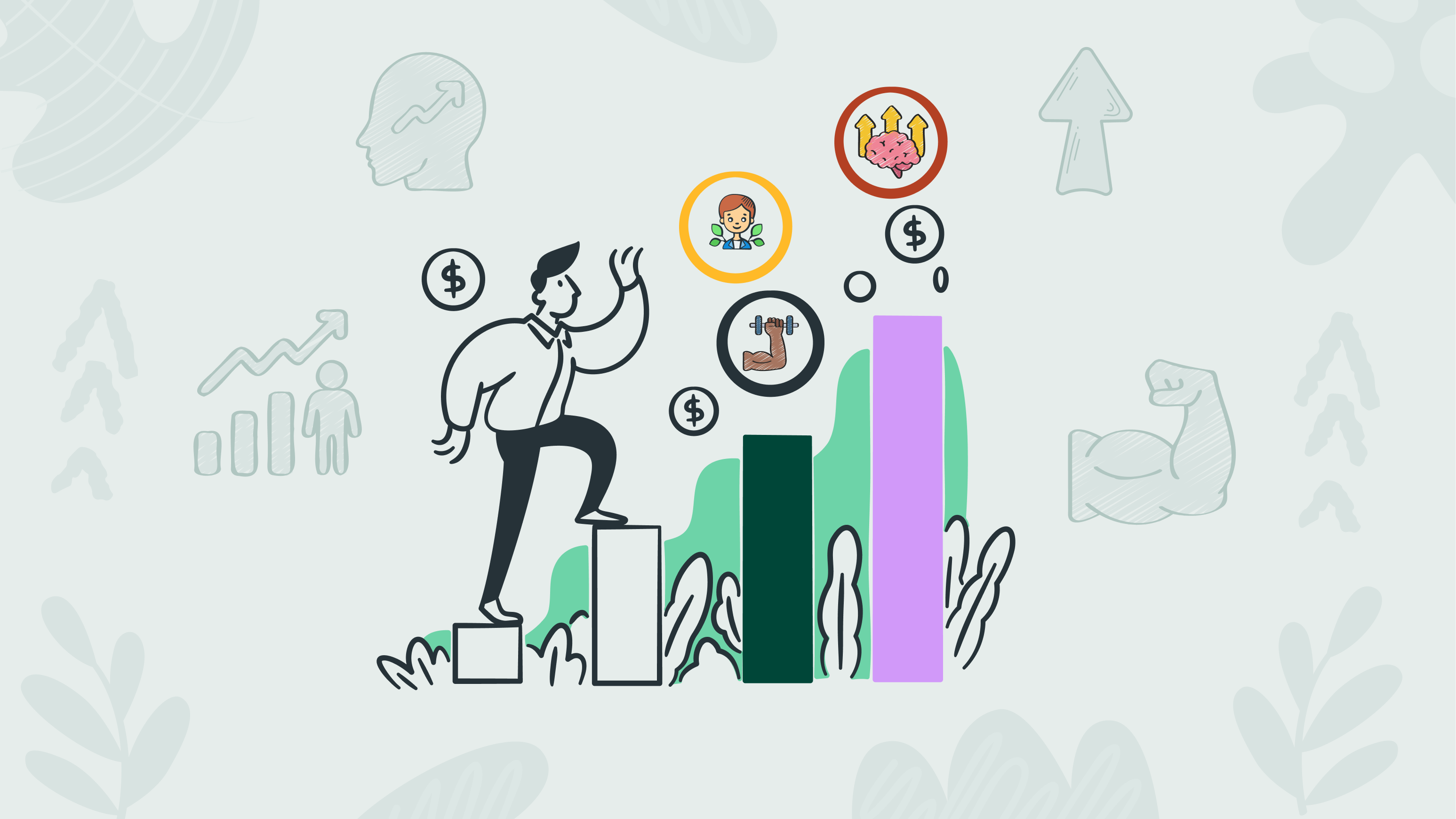
The Tale of Energy Evolution
Michael’s transformation began in the glow of his computer screen, deep in the code and deadlines that defined his role as a software developer. The long, uninterrupted hours of work often stretched into the night, blurring the lines between day and night, work and rest.
His reliance on caffeine escalated from a morning kickstart to a necessary fuel to combat the fatigue that became his constant companion.
The turning point came during an energy management workshop he attended, almost reluctantly, at the suggestion of a concerned friend. There, Michael was introduced to the concept of aligning his work with his body’s natural energy cycles, a strategy that initially seemed counterintuitive in his deadline-driven world.
“The workshop was a revelation. I was skeptical at first, thinking, ‘How can shifting my schedule and changing my diet impact my energy this much?’ But as I started tuning into my body’s natural rhythms, I noticed patterns I’d previously ignored.
Mornings were my prime time, yet I’d been wasting them on emails and administrative tasks. I reshuffled my day so that my peak hours were dedicated to coding and problem-solving, while the afternoons were for meetings and less demanding tasks.
Implementing regular exercise was another game-changer. Initially, it was tough to drag myself to the gym, but soon, the endorphin rush post-workout became something I craved. It didn’t just elevate my physical energy; it sharpened my mental focus too.
Perhaps the most significant change was prioritizing sleep. I established a nightly routine that gradually wound down my brain activity, swapping late-night coding for reading or listening to calm music. This transition didn’t happen overnight, but the consistent effort paid off. My sleep improved, and with it, my daily energy levels and mood stabilized.
Looking back, these changes transformed not just my work days but my entire life. I’ve found a sustainable rhythm that keeps me energized and productive.
More than that, I’ve rediscovered a zest for life and work that had been missing for years. It’s like I’ve been recharged and rebooted.”