




What is a Sedentary Lifestyle?
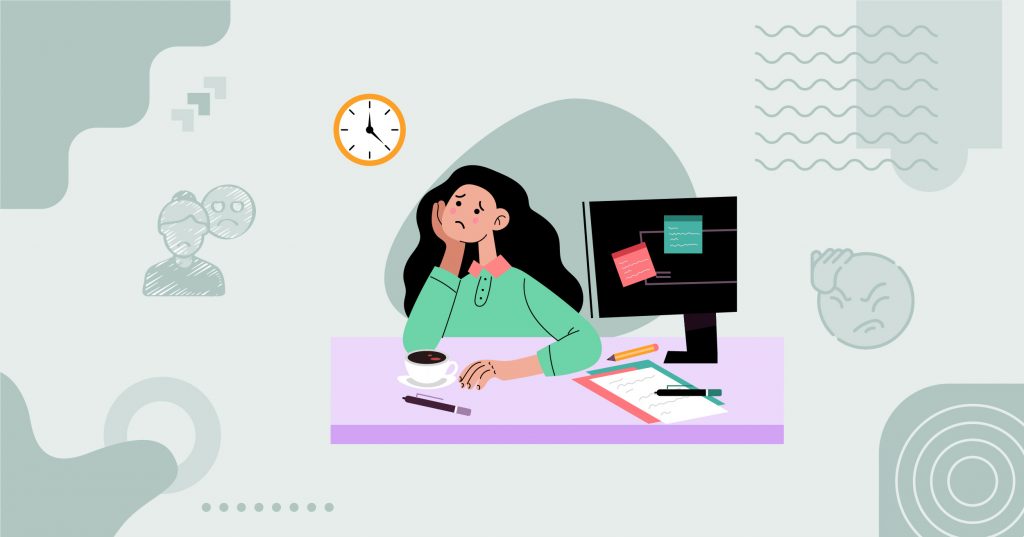
In today’s 9-to-5 world, many of us find ourselves glued to our desks for hours on end. The daily grind often leaves little time for physical activity, and before we know it, we’re caught in a cycle of inactivity. This sedentary lifestyle can lead to a host of problems, from weight gain and back pain to decreased energy levels and reduced productivity. Imagine sitting at your desk all day, feeling sluggish and achy, knowing you need to move but feeling trapped by your workload. It’s a struggle that resonates with many office workers, creating a sense of helplessness and frustration as we strive to balance our health with our responsibilities.
Imagine this: You start your day full of energy, but as the hours tick by, you find yourself slumped over your desk, feeling more and more drained. Your back starts to ache, your neck stiffens, and by the end of the day, you’re barely able to muster the energy to get out of your chair. Sound familiar? It’s a common scene in offices everywhere. We get so wrapped up in our tasks and deadlines that we forget to move, leading to a host of issues like weight gain, back pain, and a noticeable dip in our energy levels and productivity.
This daily grind leaves us in a frustrating bind. We know we should be more active, but finding the time and motivation amid a busy work schedule can feel impossible. The result? A vicious cycle of inactivity and discomfort. You’re not alone in this struggle; it’s a reality for countless office workers trying to balance their health with their responsibilities. It’s time to break free from this pattern and find ways to stay active, even while stuck at a desk.
Understanding Why Physical Inactivity Is Harmful
When we sit for prolonged periods, our bodies and minds suffer in various ways. On a physical level, sitting too much can lead to poor posture, muscle imbalances, and decreased circulation. Our muscles become stiff and weak, especially in the lower back, hips, and legs. This can cause chronic pain and increase the risk of injuries.
Neurologically, a sedentary lifestyle negatively impacts our brain’s function. Physical activity is essential for maintaining healthy levels of neurotransmitters like dopamine and serotonin, which regulate mood, motivation, and overall well-being. When we don’t move enough, the production of these chemicals decreases, leading to feelings of fatigue, stress, and even depression. Additionally, physical inactivity reduces the flow of oxygen and nutrients to the brain, impairing cognitive functions such as memory and concentration.
The lack of movement also affects our metabolic health. Extended periods of sitting slow down our metabolism, making it harder for the body to regulate blood sugar and blood pressure. This increases the risk of metabolic disorders like diabetes and cardiovascular disease.
Practical Steps to Stay Active at a Desk Job
Fortunately, there are simple and effective ways to combat the negative effects of a sedentary lifestyle without leaving your desk. Here are some practical strategies to help you stay active throughout the workday:
- Micro-Movements: Incorporate small movements and stretches into your routine. Every hour, take a few minutes to stand up, stretch your arms and legs, and do some gentle twists to relieve tension in your back and shoulders. These micro-movements can significantly improve your circulation and posture.
- Chair Exercises: Use your chair as a tool for exercise. Perform seated leg lifts, where you extend one leg at a time and hold it for a few seconds. You can also do seated marches, lifting your knees towards your chest while sitting upright. These exercises engage your core and lower body muscles, helping to prevent stiffness and build strength.
- Desk Push-Ups: Place your hands on the edge of your desk and step back a few feet. Lower your chest towards the desk and push back up. This modified push-up targets your upper body muscles, providing a quick strength workout without leaving your workspace.
- Walking Meetings: Whenever possible, suggest walking meetings instead of sitting in a conference room. This allows you to stay active while discussing work matters and can boost creativity and collaboration.
- Stretch Bands: Keep a set of resistance bands at your desk. These versatile tools can be used for a variety of exercises, such as bicep curls, shoulder presses, and seated rows. Resistance bands provide a convenient way to incorporate strength training into your day.
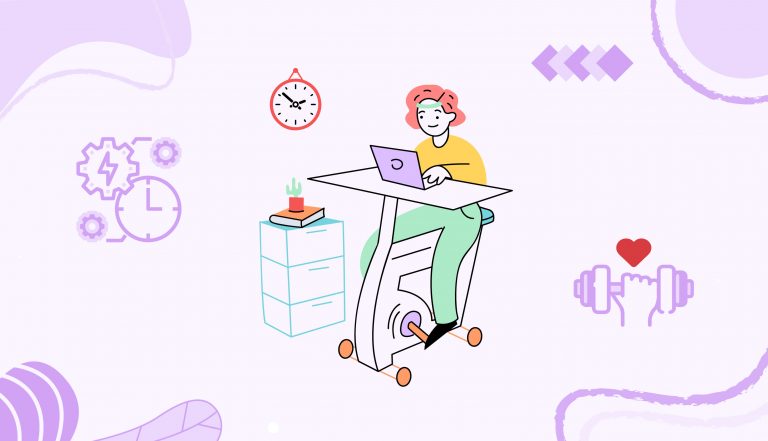
- Standing Desks: Consider using a standing desk or a convertible desk that allows you to alternate between sitting and standing. Standing while working can reduce the strain on your back and legs and increase your overall energy levels.
- Scheduled Breaks: Set reminders to take short breaks every hour. Use this time to walk around the office, grab a glass of water, or do a quick stretch. These breaks can help refresh your mind and prevent the negative effects of prolonged sitting.
Subscribe to newsletter
Get your “Gut Health Starter Guide” right now.
Elevate your Tuesdays with practical, science-backed wisdom propelling you forward on your gut health journey.

Positive Outcome of Deskercise Journey
Sarah, a graphic designer at a bustling marketing firm, used to struggle with the typical aches and pains of a sedentary job. She often felt drained and unmotivated by the end of the day. Realizing the impact her inactivity was having on her health, Sarah decided to incorporate deskercise into her daily routine.
She started small, setting reminders on her phone to take a five-minute stretch break every hour. She began using resistance bands for quick strength exercises and even suggested walking meetings with her colleagues. The changes were gradual, but over time, Sarah noticed a significant improvement in her energy levels and mood.
One particularly busy afternoon, Sarah found herself bogged down with deadlines and a seemingly endless to-do list. Feeling the familiar tension building in her shoulders and back, she decided to take a quick break. She stood up, did a few stretches, and used her resistance bands for some simple exercises. Within minutes, she felt a surge of energy and clarity, allowing her to tackle her tasks with renewed vigor. This small break transformed what could have been a stressful day into a productive and manageable one.
“I used to feel so sluggish and achy after a long day at my desk,” Sarah recalls. “But once I started incorporating small exercises into my routine, I felt more energized and focused. It’s amazing how a few minutes of movement can make such a big difference.”