





What Does Passive-Aggressive Mean
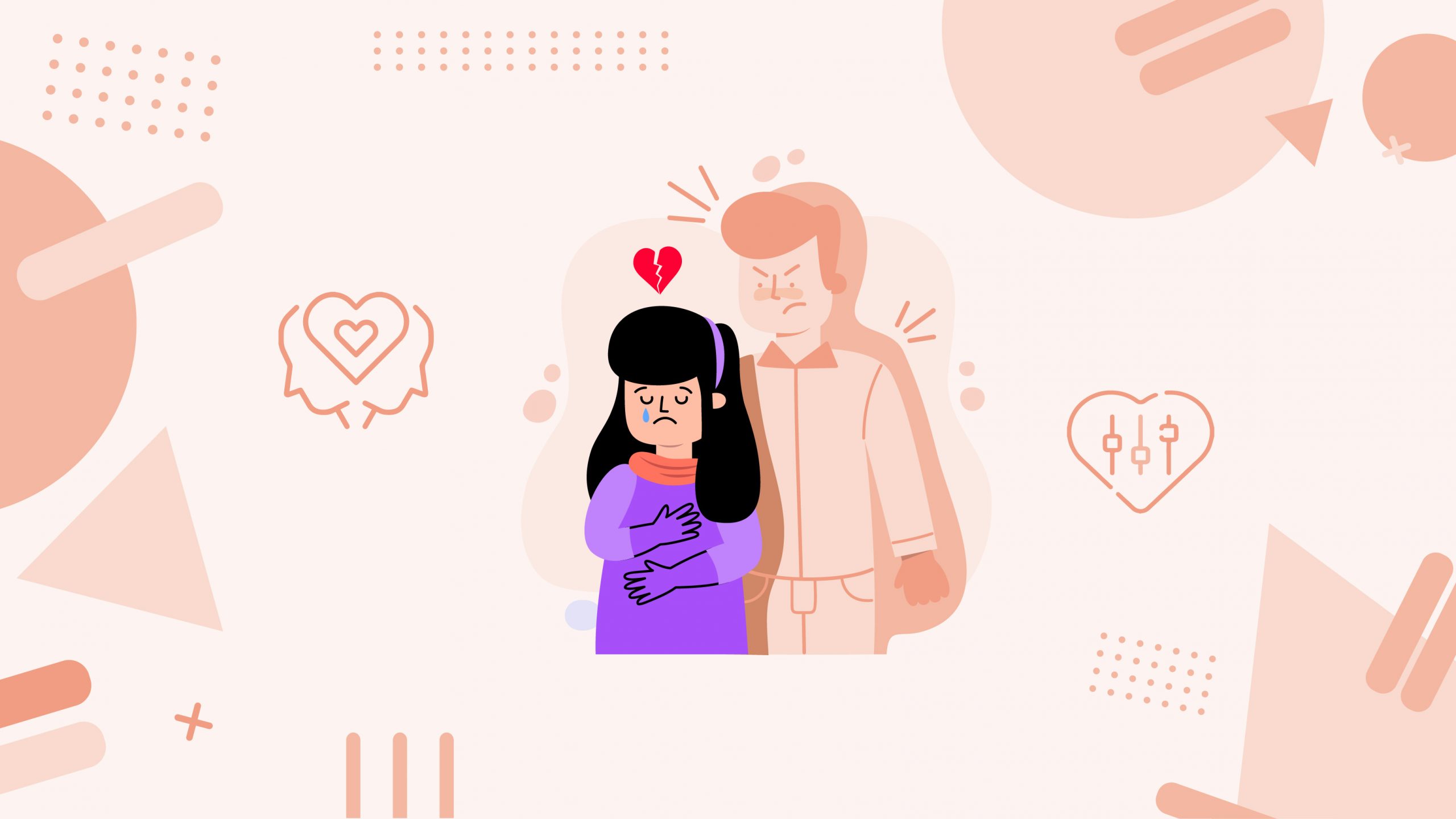
Ever felt like you’re just seeing the tip of the iceberg in your relationships? That’s the tricky nature of passive-aggressive behavior—it shows just a sliver of what’s really going on underneath. Imagine this: your partner agrees to weekend plans with a smile, yet somehow, you end up feeling like you’ve twisted their arm. Or they say “fine,” but their tone drips with anything but fine vibes. It’s like trying to navigate a minefield blindfolded.
This behavior can throw a wrench into the works of any relationship, sparking a relentless cycle of confusion and frustration. You’re left second-guessing every interaction, wondering what’s genuine and what’s not. The tension builds, misunderstandings multiply, and resentment festers, making it tough for everyone involved to find solid ground. Breaking through this icy surface to confront the complex emotions lurking below isn’t just about clearing the air; it’s about preventing that cold distance from freezing the warmth out of your connections.
The Neurology of Indirect Conflict
Ever wonder why some people sidestep direct confrontation like it’s a puddle in their path? Let’s dive into the brain’s wiring to understand this better. When someone chooses passive-aggressive actions over open dialogue, it’s not just a quirky trait; it’s a sophisticated brain response kicking into gear. Picture your brain’s amygdala—the watchguard of your emotions—sensing a threat. Instead of gearing up for a fight, it opts for a quieter defense: passive aggression.
This approach might dodge immediate conflict, but here’s the twist: it sets off a stress alarm in your brain. The amygdala, feeling unsettled, sends out signals that crank up your cortisol levels. Think of cortisol as your body’s built-in alarm system. It’s great for short bursts of action (like sprinting away from danger), but when it’s constantly ringing, it wears you down, leading to a cocktail of anxiety and chronic stress.
This constant state of alert not only tires out your mind but can also take a toll on your body, turning what might seem like a clever conflict dodge into a health hazard. Understanding this can help us see passive-aggressive behavior for what it often is—a protective strategy that our brains employ when direct confrontation feels too risky.
Subscribe to newsletter
Get your “Gut Health Starter Guide” right now.
Elevate your Tuesdays with practical, science-backed wisdom propelling you forward on your gut health journey.
Practical Strategies for Change
Navigating the choppy waters of passive-aggressive behavior in relationships requires more than just good intentions; it demands specific, actionable strategies. Here’s how you can cultivate healthier interactions:
- Spot the Signs: Begin by sharpening your ability to recognize passive-aggressive actions. Are there sarcastic remarks or consistent lateness? Identifying these patterns is your first step toward addressing them.
- Engage Directly and Gently: When you sense passive-aggressiveness, don’t echo the behavior. Instead, initiate a straightforward and calm conversation. Use open-ended questions to invite honesty, like, “I felt there was some tension after our last chat—would you like to talk about it?”
- Establish Clear Boundaries: It’s crucial to communicate your limits clearly. Let the other person know what behaviors you find disruptive and how they impact your relationship. For instance, you might say, “When plans are canceled at the last minute, I feel undervalued. Can we agree to give more notice if either of us needs to change plans?”
- Promote Transparency: Create a supportive environment that encourages both you and your partner to express feelings and grievances openly and respectfully. This could be through regular check-ins or setting aside time to discuss any issues that might be simmering.
- Practice Assertive Communication: Develop your assertiveness skills to express your thoughts and feelings in a straightforward and honest manner without being aggressive. This helps in setting a tone for open communication and reduces the chances of misunderstandings.
- Seek Professional Help if Needed: Sometimes, an external perspective can be invaluable. Consider couples therapy or communication workshops as tools to better understand and improve the dynamics of your relationship.
From Resentment to Resilience
Meet Ella, a 38-year-old project manager who faced a challenging relationship dynamic marked by her partner’s passive-aggressive behavior. “Dealing with the indirect hostility was draining; it felt like a constant undercurrent of tension that was impossible to grasp or discuss openly,” Ella shares.
Determined to change the pattern, Ella took the brave step of addressing the issue head-on. She began by initiating open, honest conversations about how their interactions affected her emotionally. “I told him how hurtful it was to feel ignored or undermined through his actions, and asked him to share his feelings more directly,” she explains.
This shift towards transparency didn’t transform their relationship overnight, but it opened a new channel of communication that was previously barricaded by unspoken grievances. “The real turning point came when we both committed to expressing our frustrations and needs openly, without sarcasm or avoidance,” Ella recalls.
The impact of these changes was profound. “Our relationship began to thrive on a new level of understanding and respect. We learned to support each other better, and the previously constant strain of misunderstandings gave way to a more supportive and peaceful home environment,” Ella reflects.
Ella’s journey illustrates the transformative power of direct communication in overcoming passive-aggressiveness. Her experience not only salvaged her relationship but also reinforced her personal resilience and emotional intelligence. “It was about breaking the cycle of resentment and building mutual respect and support. We are not only surviving now; we are genuinely thriving,” she concludes.