






Navigating Life's Unexpected Hurdles
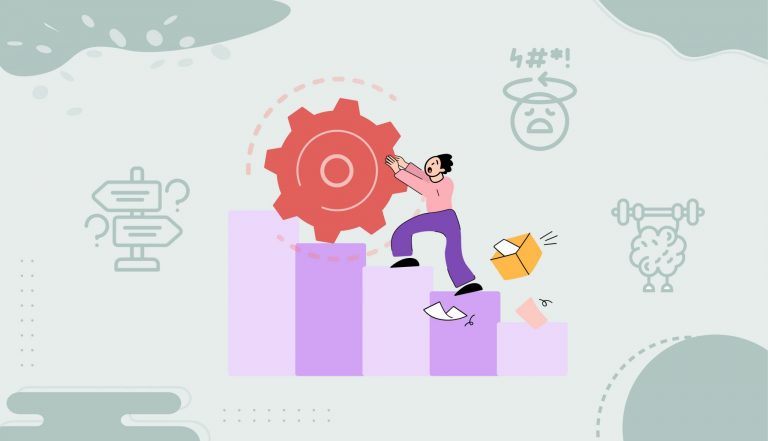
Life has a funny way of throwing curveballs when we least expect them. Whether it’s missing out on that well-deserved promotion, facing unexpected financial difficulties, or dealing with the heartache of a personal loss or relationship conflict, setbacks can hit us like a ton of bricks. They can leave us feeling lost, defeated, and wondering if we have what it takes to keep going.
Picture this: You’ve poured your heart and soul into a project, envisioning it as your ticket to success. But despite your best efforts, it doesn’t pan out the way you hoped. The disappointment is crushing, and it’s easy to start questioning your skills and your future. It’s moments like these that test our resilience, making it feel like bouncing back is an impossible feat.
But here’s the thing: setbacks are a part of life for everyone. They’re not a sign of weakness or a lack of ability; they’re just a detour on the road to success. The key is to learn how to navigate these hurdles with grace and resilience.
The Neurological Understanding of Resilience
Let’s dive into what’s really happening in our brains when we hit those tough setbacks. When life throws us a curveball, our brain can react in ways that make bouncing back seem almost impossible. At the heart of this reaction is the amygdala, our brain’s built-in alarm system. The amygdala is designed to keep us safe by triggering the fight-or-flight response whenever it senses danger. This response was perfect for our ancestors who needed to avoid predators, but in today’s world, where threats are often psychological rather than physical, it can sometimes do more harm than good.
When the amygdala senses a setback, it floods our system with stress hormones like cortisol and adrenaline. These hormones prepare our bodies to either confront the challenge head-on or escape from it. While this is great for immediate physical threats, it can lead to anxiety, overthinking, and a sense of helplessness when dealing with modern stressors like a missed promotion or a failed project. Our brains are essentially treating these setbacks as life-or-death situations, which ramps up our stress levels and makes it harder to think clearly.
Here’s where the prefrontal cortex comes in. This part of the brain is responsible for rational thinking, decision-making, and keeping a positive outlook. However, when we’re stressed, the prefrontal cortex doesn’t function as effectively. It’s like trying to navigate with a foggy windshield – everything becomes unclear and difficult to manage. We struggle to plan our next steps and maintain a positive attitude, which can make setbacks feel even more overwhelming.
To make matters more complex, our brain’s reward circuitry, particularly the nucleus accumbens, gets involved. This area is key in releasing dopamine, the “feel-good” neurotransmitter that reinforces positive behaviors and motivates us to keep going. Under stress, the activity in the nucleus accumbens decreases, leading to lower dopamine levels. This drop can sap our motivation and make it hard to find joy in activities that usually make us happy.
Think of it this way: normally, when you achieve something small, your brain rewards you with a burst of dopamine, giving you that satisfying feeling of accomplishment. But when you’re under stress, this system doesn’t work as well. You might complete a task, but without that dopamine boost, it doesn’t feel as rewarding. This lack of positive reinforcement can create a vicious cycle where it’s harder to stay motivated and push through challenges.
Understanding these brain processes is crucial because it helps us see why resilience can be so tough to muster in the face of setbacks. It’s not just about willpower or a positive attitude – there’s a whole neurological battle happening inside our heads. Knowing this, we can start to develop strategies to counteract these responses and build our resilience. By calming the amygdala, supporting the prefrontal cortex, and reactivating the reward circuitry, we can train our brains to handle setbacks more effectively and bounce back stronger than before.
Building Resilience Step by Step
To cultivate resilience, it’s essential to address both the immediate emotional response and the long-term mental habits that influence how we handle setbacks. Here are some strategies to help you bounce back more effectively:
- Mindful Breathing and Relaxation Techniques: Start with simple breathing exercises to calm the amygdala and reduce the stress response. Practice deep, slow breaths, focusing on your inhale and exhale. This can help lower cortisol levels and bring your mind back to a state of balance.
- Cognitive Restructuring: Challenge negative thoughts and reframe your perspective. Instead of seeing a setback as a failure, view it as a learning opportunity. Ask yourself what you can learn from the experience and how you can apply this knowledge in the future. This shift in mindset engages the prefrontal cortex, helping you think more clearly and positively.
- Setting Small, Achievable Goals: Break down larger tasks into smaller, manageable steps. This approach not only makes goals seem less daunting but also increases the chances of experiencing success, which boosts dopamine levels and reinforces positive behavior. Celebrate each small win to keep your motivation high.
- Building a Support Network: Surround yourself with supportive friends, family, or colleagues who can offer encouragement and perspective. Sharing your experiences and receiving feedback can help you feel less isolated and more empowered to tackle challenges.
- Developing a Growth Mindset: Embrace the belief that abilities and intelligence can be developed through dedication and hard work. This mindset encourages resilience by viewing challenges as opportunities for growth rather than insurmountable obstacles.
- Practicing Self-Compassion: Be kind to yourself during difficult times. Recognize that setbacks are a normal part of life and that everyone experiences them. Treat yourself with the same compassion and understanding that you would offer a friend in a similar situation.
Subscribe to newsletter
Get your “Gut Health Starter Guide” right now.
Elevate your Tuesdays with practical, science-backed wisdom propelling you forward on your gut health journey.
A Journey of Resilience
Meet Sarah, a marketing professional who knows a thing or two about setbacks. Not too long ago, she found herself in a tough spot when she was passed over for a promotion she had been working hard for. To make matters worse, the promotion went to someone less experienced, leaving Sarah feeling defeated and questioning her worth.
At first, Sarah was tempted to throw in the towel and look for greener pastures. But deep down, she knew she had more fight left in her. Instead of giving up, she decided to face the challenge head-on and apply some resilience-building techniques she had learned.
Sarah started by incorporating mindful breathing exercises into her daily routine to help manage her stress. She also began journaling to reframe her negative thoughts and set small, achievable goals for herself. Each week, she made it a point to learn a new skill or tackle a new challenge, no matter how small.
With the support of her mentor and colleagues, Sarah slowly but surely began to see a shift in her mindset. She started to view the setback as an opportunity for growth and self-improvement rather than a roadblock. Her confidence grew, and she felt more equipped to handle whatever challenges came her way.
And it paid off. Sarah’s dedication and resilience did not go unnoticed. She was soon given the opportunity to lead a high-profile project, which she executed flawlessly. Her hard work and perseverance earned her recognition and respect from her peers, boosting her confidence even further.
Today, Sarah is thriving in her career, armed with a newfound sense of resilience and a belief in her abilities. She credits her journey of overcoming setbacks with teaching her valuable lessons about perseverance, self-improvement, and the power of a positive mindset.