


What is Neuroticism?
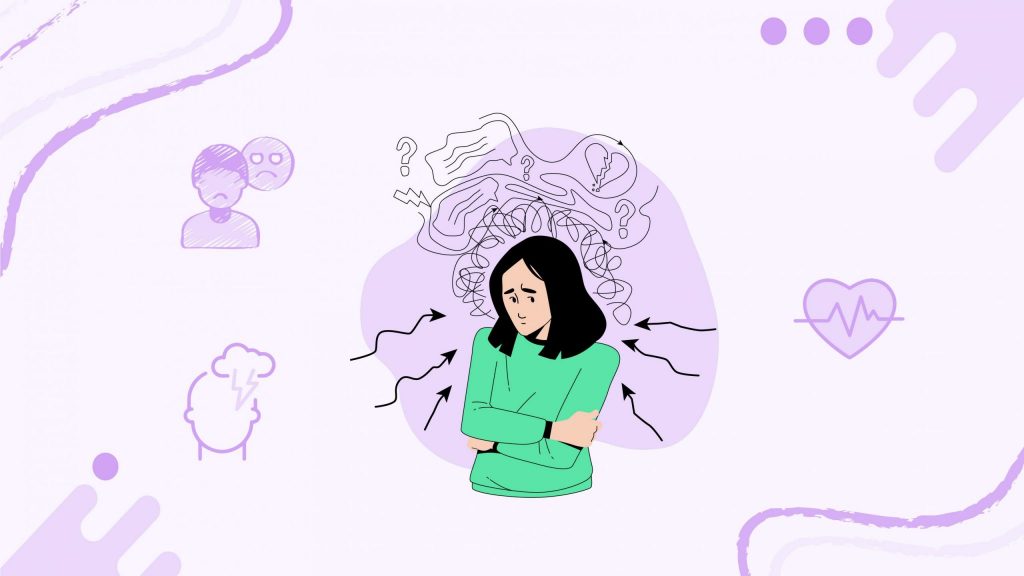
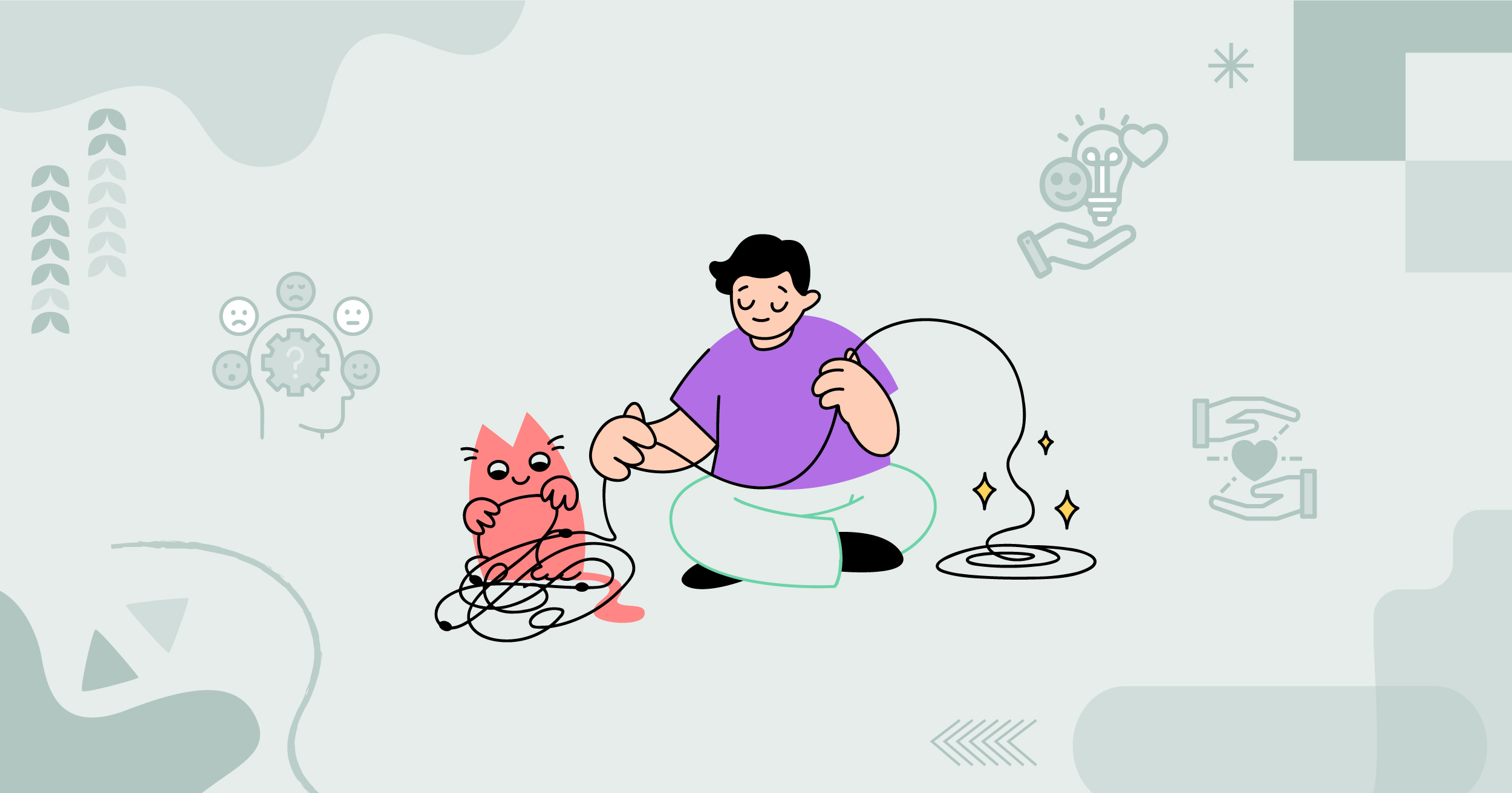
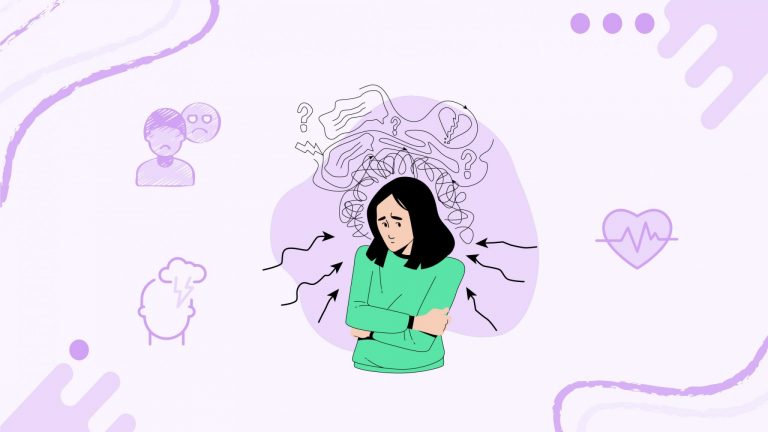
Let’s chat about the tangled webs of neuroticism. Imagine navigating life in a maze where shadows of anxiety and worry lurk around every corner. Sounds exhausting, right? This isn’t just any trait; it’s neuroticism—a personality characteristic marked by emotional ups and downs, endless stress, and a suitcase full of worries that never seems to unpack itself.
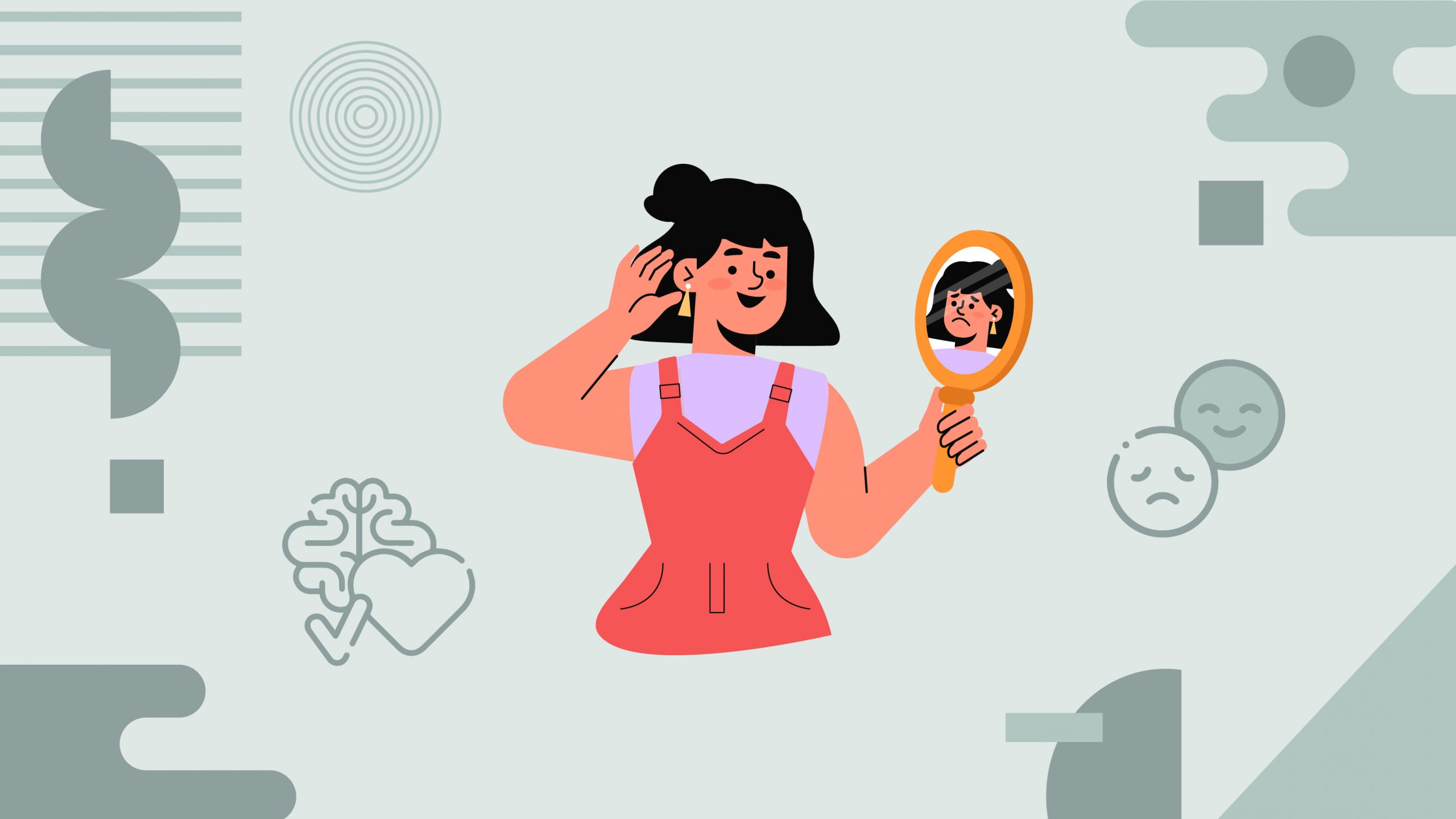
Neuroticism can sneak into every chat with a friend or every meeting at work, coloring them with tension and doubt. It’s like walking on a tightrope of your own feelings, never quite stable, always ready to react to the slightest nudge. This doesn’t just strain your peace of mind; it can strain your relationships too, spinning a web that traps you in a cycle of stress and dissatisfaction.
Getting a handle on neuroticism is key, not just for easing day-to-day interactions but for knitting a stronger safety net for your overall well-being. Let’s dive into how this trait weaves its way through our lives and figure out how to untangle it.
The Neurochemistry of Neuroticism
Diving into the brainy depths of neuroticism, let’s peel back the layers on why some of us are more prone to this trait. Picture your brain like a bustling city, where different areas have different jobs. For those with high neuroticism, it’s as if the emotional districts—like the amygdala—are always on high alert, reacting to every little stressor as if it’s a major threat. This heightened sensitivity can make everyday situations feel overwhelming and can quickly escalate emotions from zero to sixty.
Now, let’s add another layer: the neurochemical mix. Serotonin, often dubbed the “feel-good” chemical, plays a crucial role here. When your serotonin levels are out of whack, it’s like having an erratic climate in your brain’s city—sunny one moment, stormy the next. This instability contributes to the intense emotional fluctuations seen in neuroticism.
What’s more, the prefrontal cortex—the brain’s executive, handling things like decision-making and social behavior—doesn’t always get to chime in effectively. It’s supposed to moderate the reactions of the amygdala, but in highly neurotic individuals, it’s like the mayor (prefrontal cortex) struggling to keep the peace in an overly zealous neighborhood (amygdala).
This complex interplay of brain regions and neurochemicals explains why people high in neuroticism can find it tough to shake off stress and might feel like they’re frequently on an emotional rollercoaster. Understanding this can be the first step in learning to manage those highs and lows more effectively.
Subscribe to newsletter
Get your “Gut Health Starter Guide” right now.
Elevate your Tuesdays with practical, science-backed wisdom propelling you forward on your gut health journey.

How to be less Neurotic
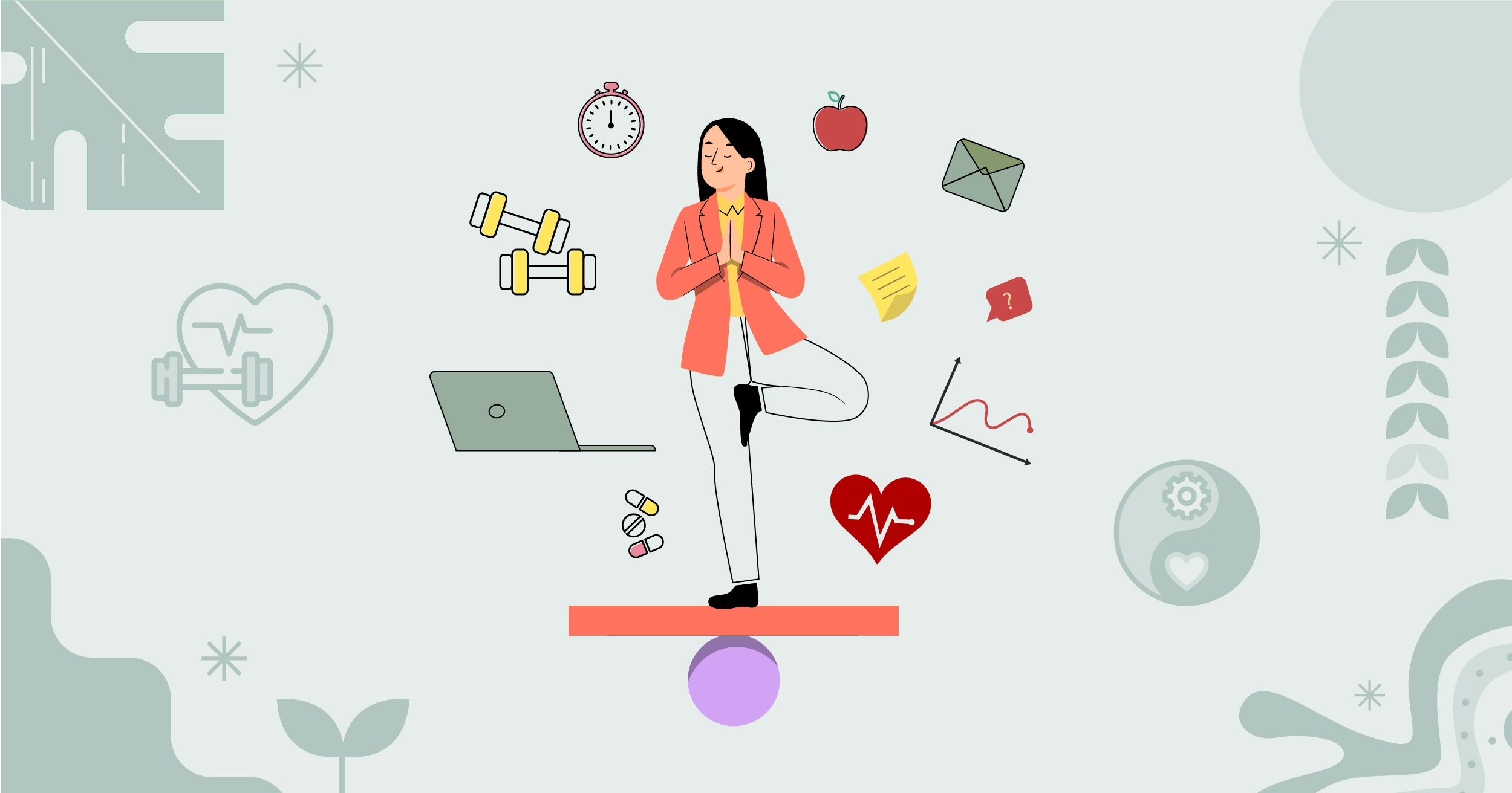
To tackle the effects of neuroticism, consider incorporating a variety of strategies that target both mind and body:
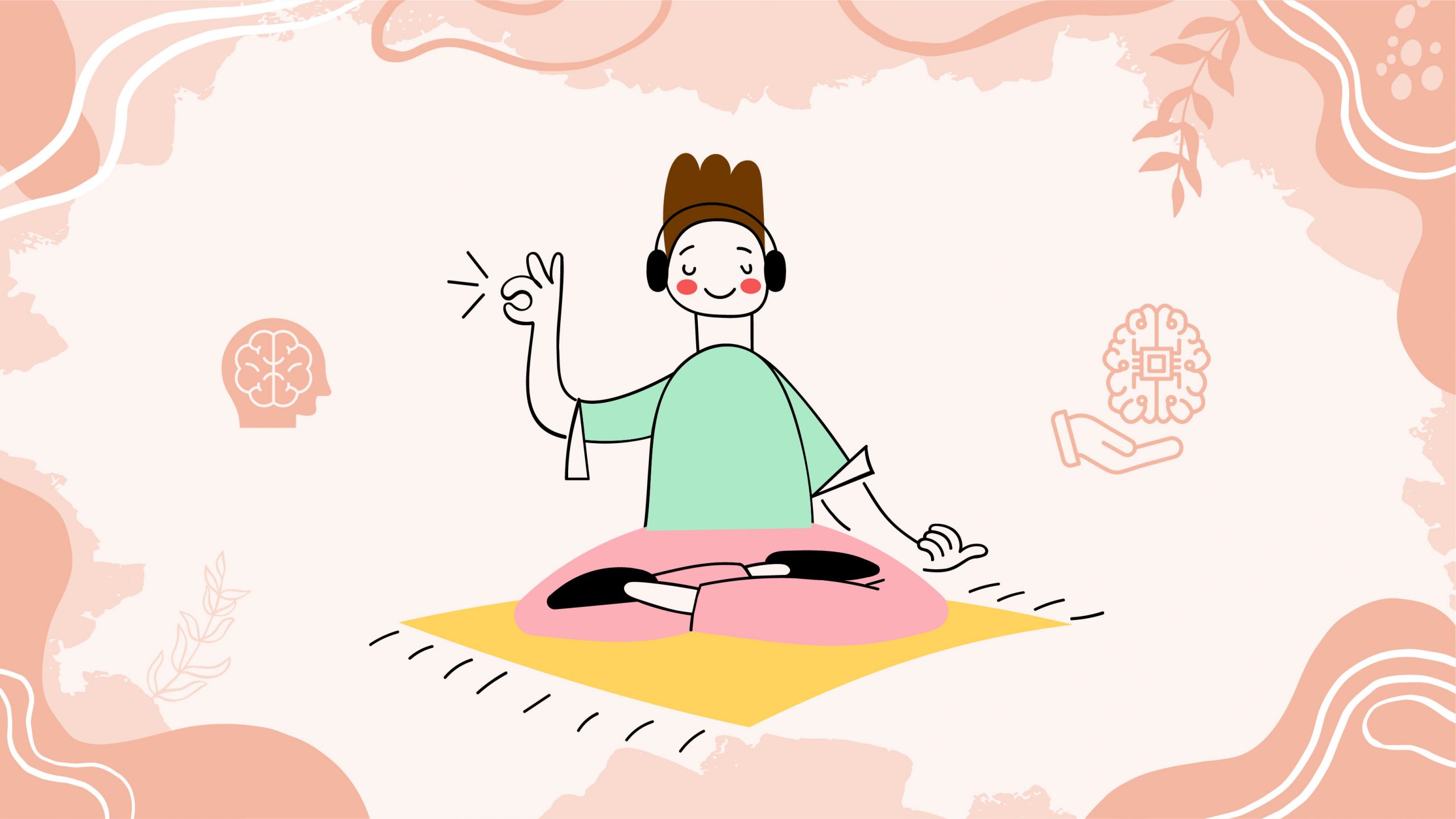
- Mindfulness Practices: Begin with mindfulness exercises like meditation or deep breathing. These techniques help in calming the mind and reducing the reactivity of the amygdala, your brain’s alarm system. By practicing regularly, you can create a natural buffer against daily stressors.
- Cognitive-Behavioral Therapy (CBT): Engage in CBT techniques, either through therapy sessions or self-guided activities. CBT helps identify and alter negative thought patterns that fuel emotional turmoil. This approach teaches you to respond to stressful situations with healthier, more constructive attitudes.
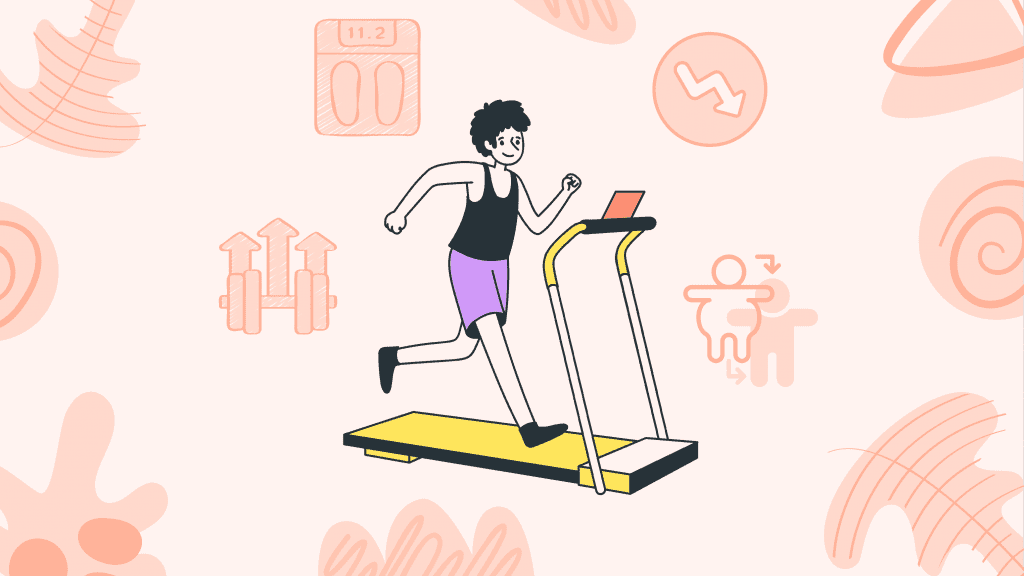
- Physical Activity: Incorporate regular exercise into your routine. Physical activity increases the production of endorphins, often referred to as natural mood lifters, and helps regulate the neurotransmitters linked to mood, such as serotonin and dopamine.
- Balanced Diet: Pay attention to your diet. Eating a balanced diet rich in omega-3 fatty acids, antioxidants, and vitamins can support brain health and contribute to more stable moods.
- Adequate Sleep: Ensure you get enough rest. Sleep has a profound impact on both emotional and physical health. Lack of sleep can exacerbate anxiety and emotional reactivity, so aim for 7-9 hours of quality sleep per night.
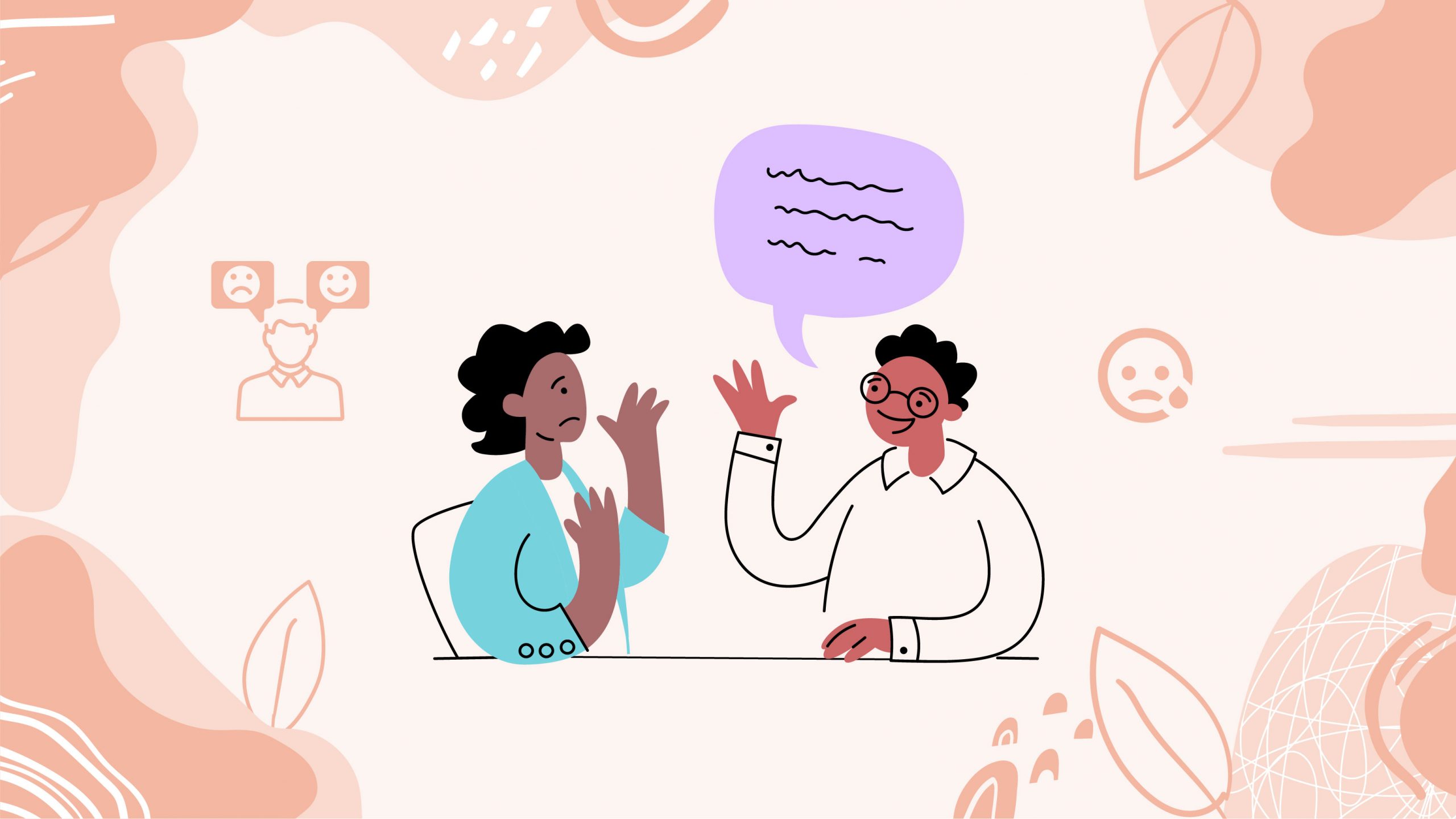
- Social Support: Maintain a strong social network. Sharing your thoughts and feelings with trusted friends or family can provide emotional relief and new perspectives on challenging situations.
What is it to be a Neurotic Person
Meet Tom, a 38-year-old software developer from Seattle, who had battled the high waves of neuroticism for most of his adult life. “Living with such intense neuroticism was like being perpetually shadowed by a storm cloud. Minor issues felt like disasters, and my days were punctuated by worries,” Tom explains.
The turning point came during an especially stressful period at work, when Tom realized that his professional performance and personal relationships were suffering. “I felt constantly on edge, unable to enjoy the moment or engage meaningfully with my family. It was exhausting,” he recalls.
Determined to make a change, Tom began integrating several therapeutic strategies into his routine. He started with mindfulness meditation each morning, creating a space of calm before the day’s challenges. “Meditation became my daily anchor. It taught me to observe my thoughts without getting swept away by them,” Tom shares.
In addition to meditation, Tom attended weekly cognitive-behavioral therapy (CBT) sessions. These sessions were crucial in helping him identify and challenge the irrational thoughts that fueled his anxiety. “CBT was transformative. It equipped me with the tools to deconstruct my anxious thoughts and assess them more rationally,” he says.
Physical exercise also became a key component of Tom’s strategy. He incorporated regular runs and gym sessions into his week, finding that the physical exertion was not only a great stress reliever but also a booster of his overall mood. “Running helped clear my mind. It’s amazing how much more manageable everything seems after you’ve pushed yourself physically,” he notes.
Over the months, these changes began to have a profound impact. Tom noticed a significant improvement in his stress levels and his ability to engage positively with those around him. “It’s like I’ve found a way to calm the mental storm. I can now handle stressful situations at work without losing my cool and enjoy my time at home without the underlying tension,” he reflects.
“Sharing my journey has opened up conversations about mental health in my workplace and at home. I’ve become an advocate for mental health awareness, encouraging others to seek help and find their own strategies for coping,” Tom concludes, hopeful and energized by his journey from chaos to calm. His experience is a testament to the fact that with the right tools and persistent effort, it is possible to reshape one’s mental landscape and lead a life marked by peace and fulfillment.