


Are Others Controlling Your Emotions?
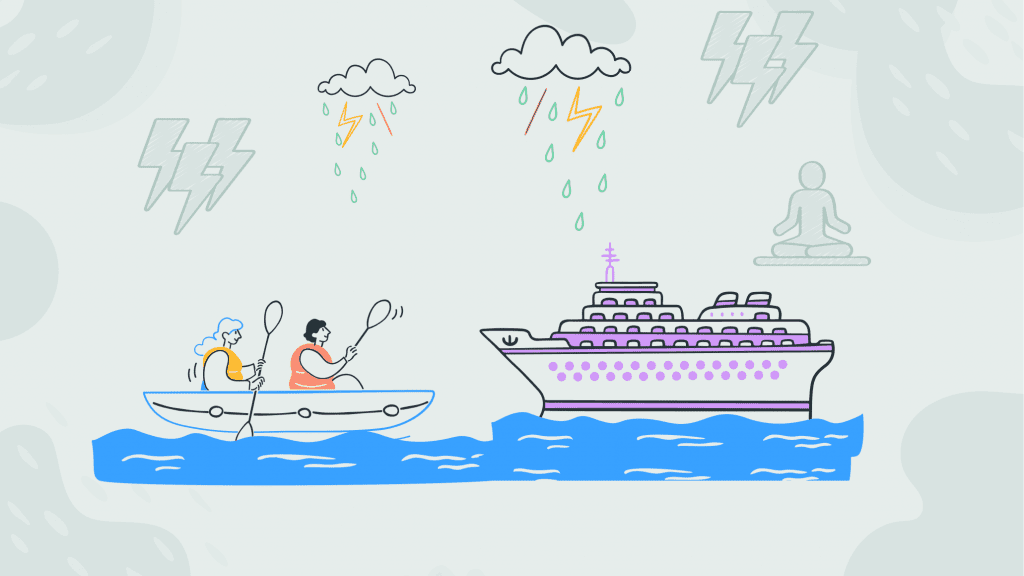
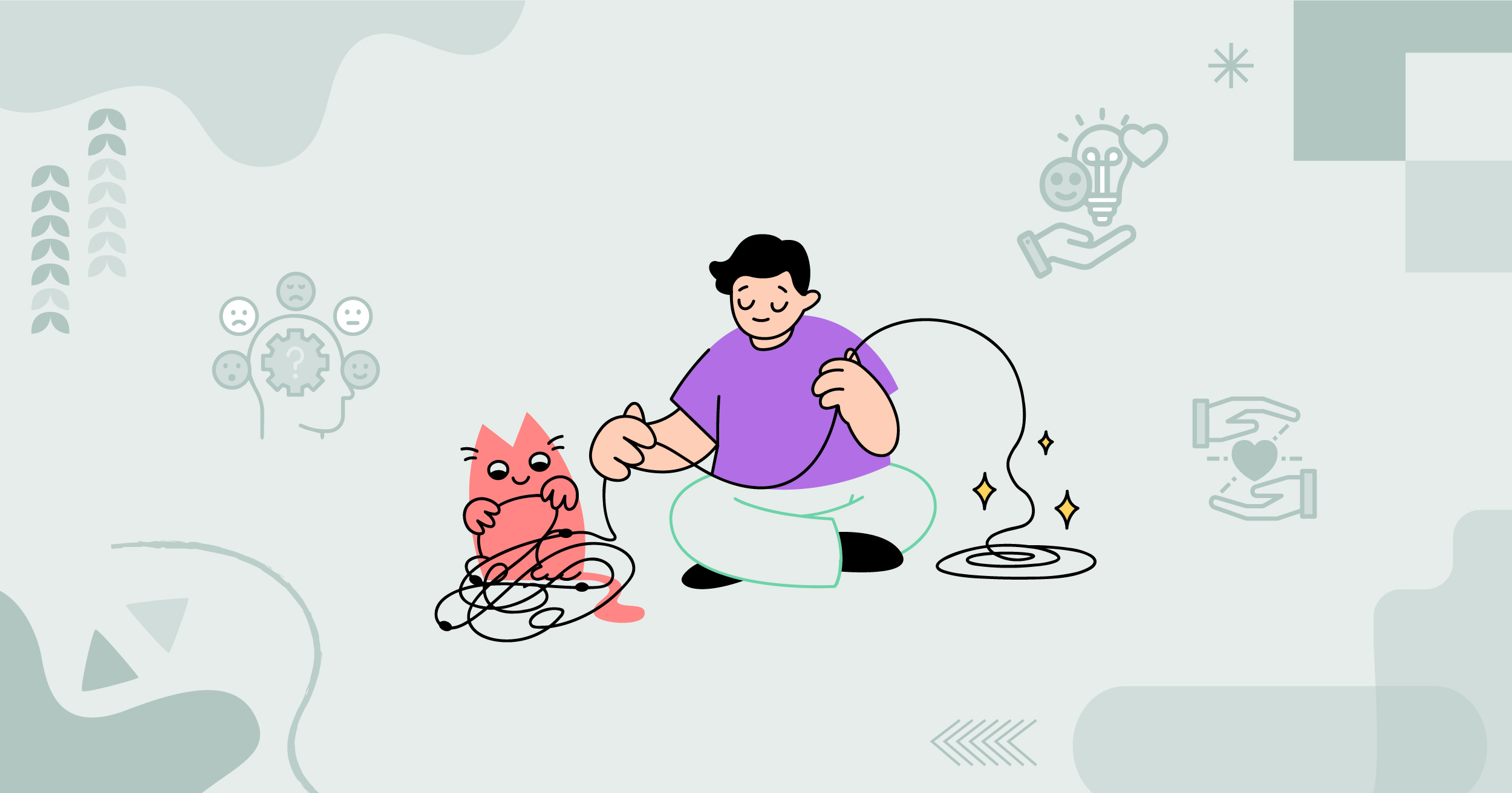
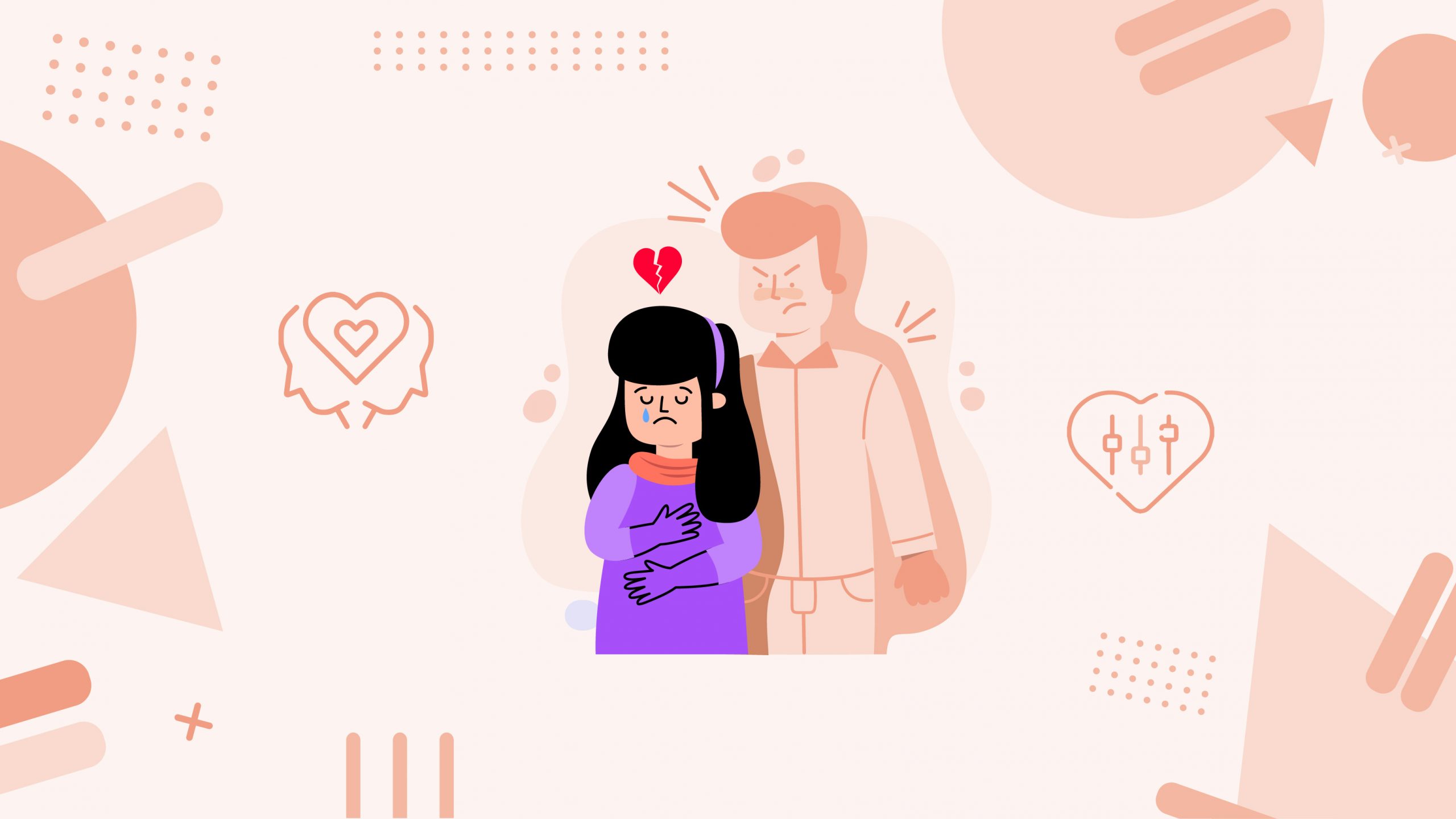
Let’s talk about the emotional rollercoaster we all ride. It’s that tricky navigation through stormy work meetings, choppy family waters, and the occasional social whirlpool. Managing our emotions in these situations can feel like steering a ship in rough seas—challenging, unpredictable, and sometimes downright exhausting. It impacts everything, from how we interact with others to our own peace of mind, often leaving us feeling more like we’re floundering rather than sailing smoothly.
Enter Emotional Intelligence (EI), our lighthouse in the fog. It promises smoother sailing with better relationships and a stronger sense of personal fulfillment. Who doesn’t want that, right? But here’s the thing: actually mastering EI? It can seem like a Herculean task when you’re just trying to keep your head above water in the daily grind.
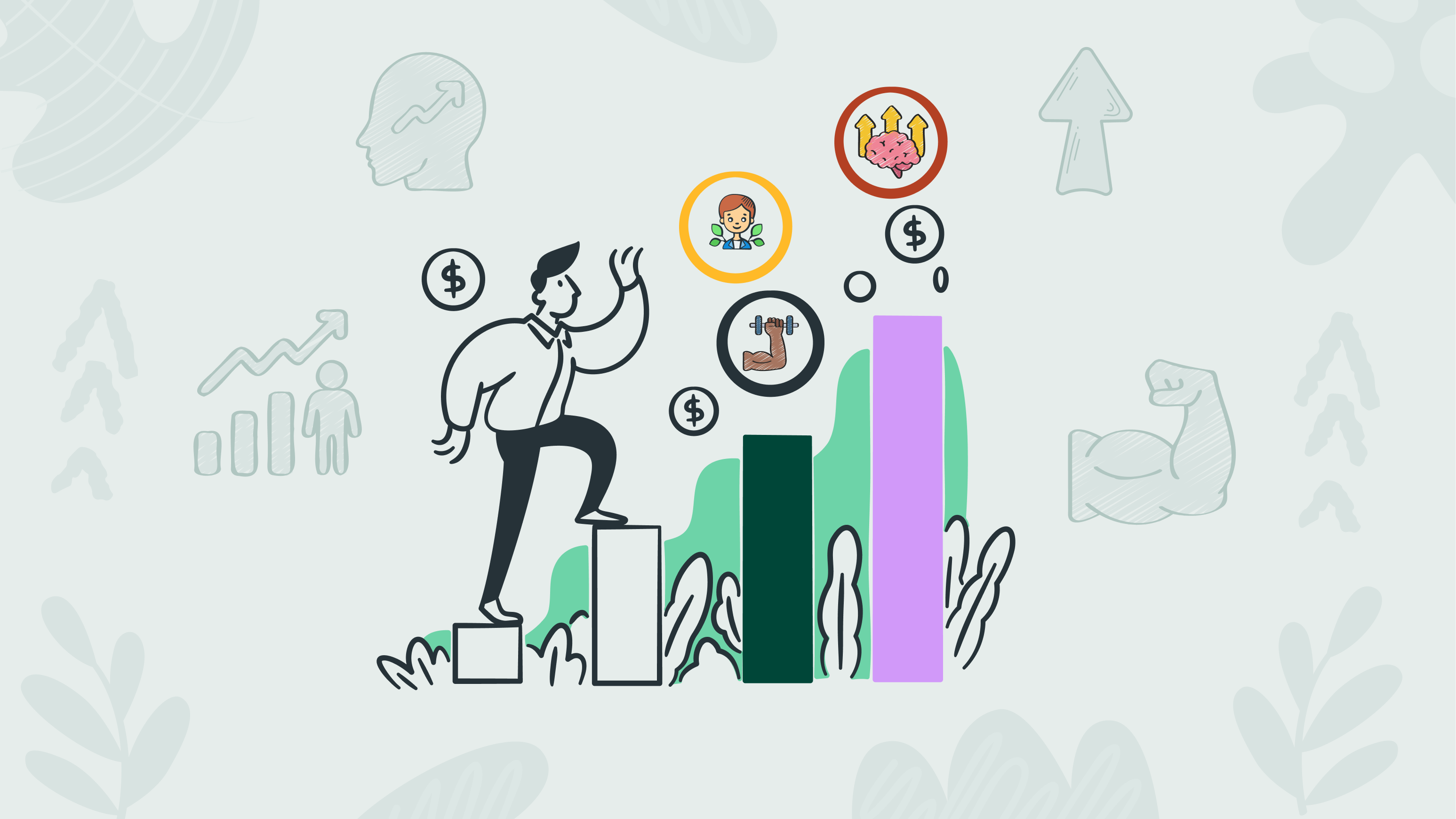
Yet, there’s real treasure to be found in understanding and improving our emotional intelligence. It’s about more than just keeping our cool—it’s about learning to read the emotional currents, engage with them thoughtfully, and navigate our way to clearer, calmer waters. So, how do we begin to harness this powerful tool amidst the hustle and bustle of life? It’s about taking it one wave at a time, and believe me, the journey is well worth it.
The Neurochemistry of Emotion
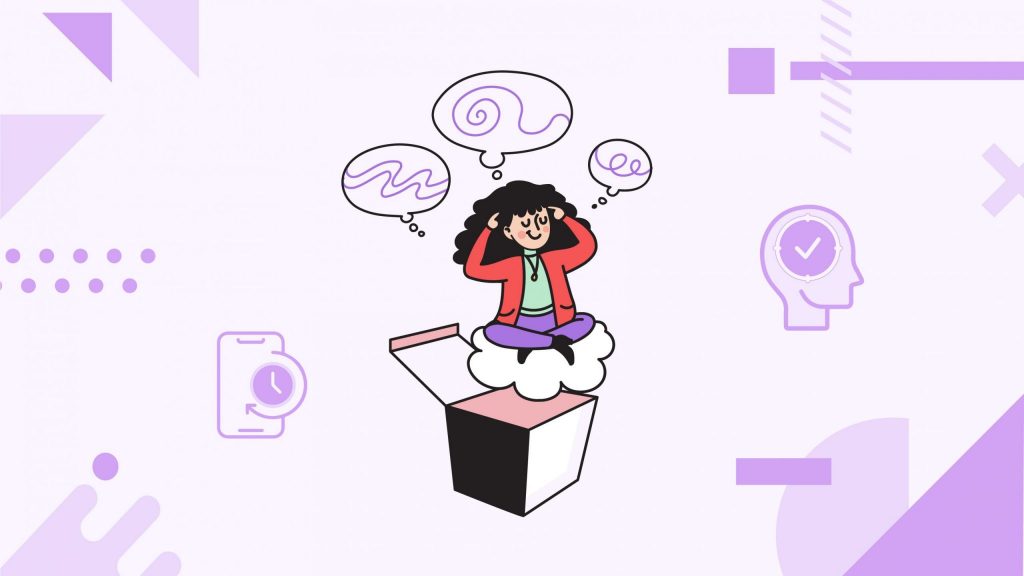
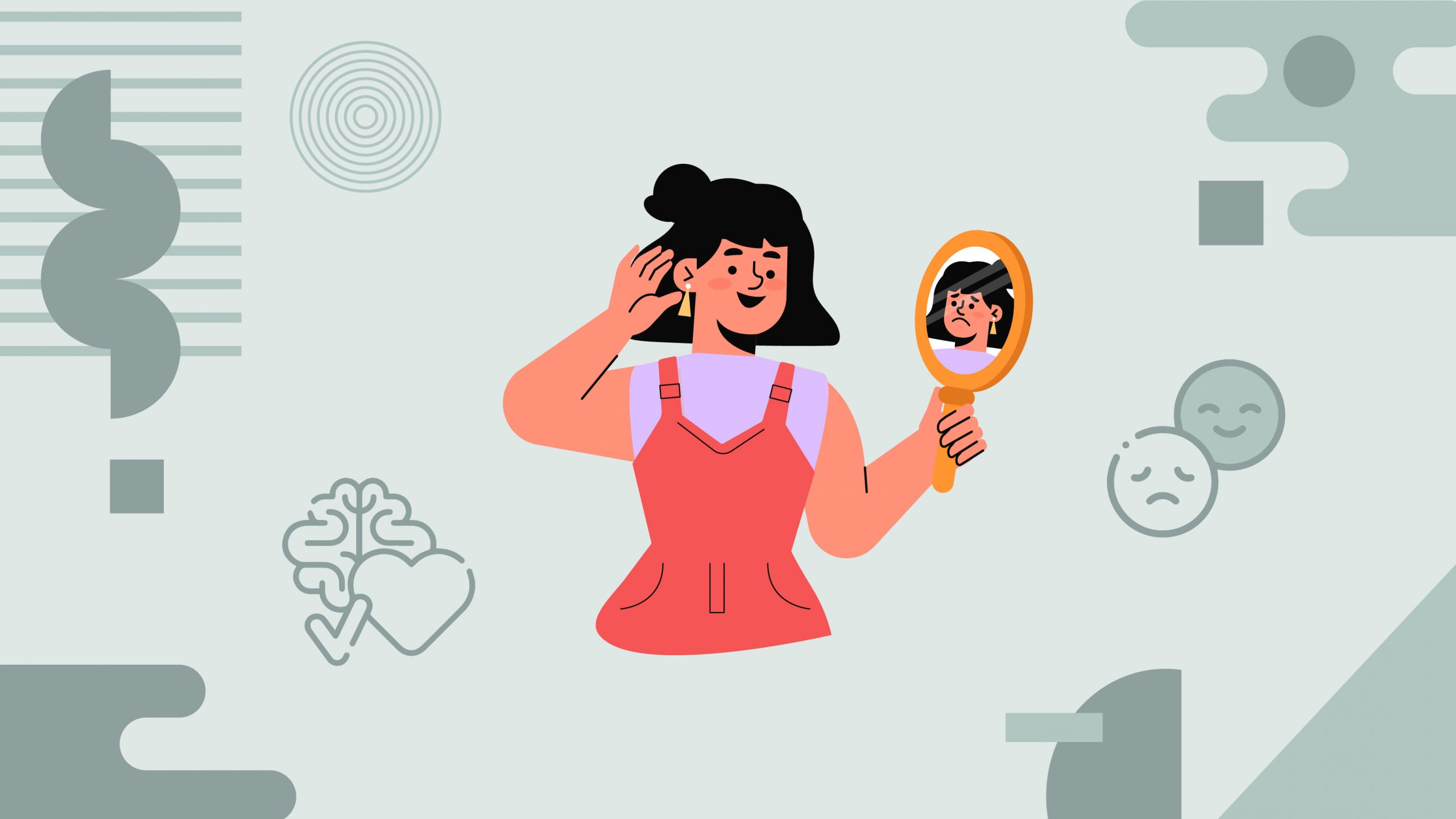
Ever wonder why sometimes our emotions seem to have a mind of their own? Well, it turns out, there’s a whole lot of brain science behind why we feel the way we do. Deep inside our brains lies the limbic system, the command center for emotions, which includes key players like the amygdala. Think of the amygdala as the alarm system of your brain—it reacts instantly to emotional stimuli, often jumping into action before our rational mind even knows what’s happening. This can lead to those all-too-familiar immediate and intense emotional reactions.
When this emotional alarm bell rings, it sets off a cascade of neurotransmitters like dopamine, which heightens our feelings of pleasure or pain, and cortisol, commonly known as the stress hormone. These chemicals can significantly influence our mood and decision-making processes, often clouding our judgment when we most need clarity.This is where Emotional Intelligence (EI) comes into play. By developing EI, we learn to understand and manage these fiery neurological responses. It’s like installing a buffer between the emotional trigger and our reaction, allowing our rational brain—the prefrontal cortex—a chance to step in and assess the situation. This helps us respond more calmly and effectively, rather than being hijacked by our initial emotional impulses. So, by boosting our EI, we’re not just improving our social skills; we’re actually tuning up our brain’s ability to handle emotions intelligently.
Subscribe to newsletter
Get your “Gut Health Starter Guide” right now.
Elevate your Tuesdays with practical, science-backed wisdom propelling you forward on your gut health journey.
How to Control Your Emotions
- Practice Self-Awareness: Start by recognizing and naming your emotions as they surface. This could be as simple as taking a moment to acknowledge, “I’m feeling frustrated right now,” or “I’m excited about this opportunity.” Identifying your feelings helps you understand them better and manage them more effectively.
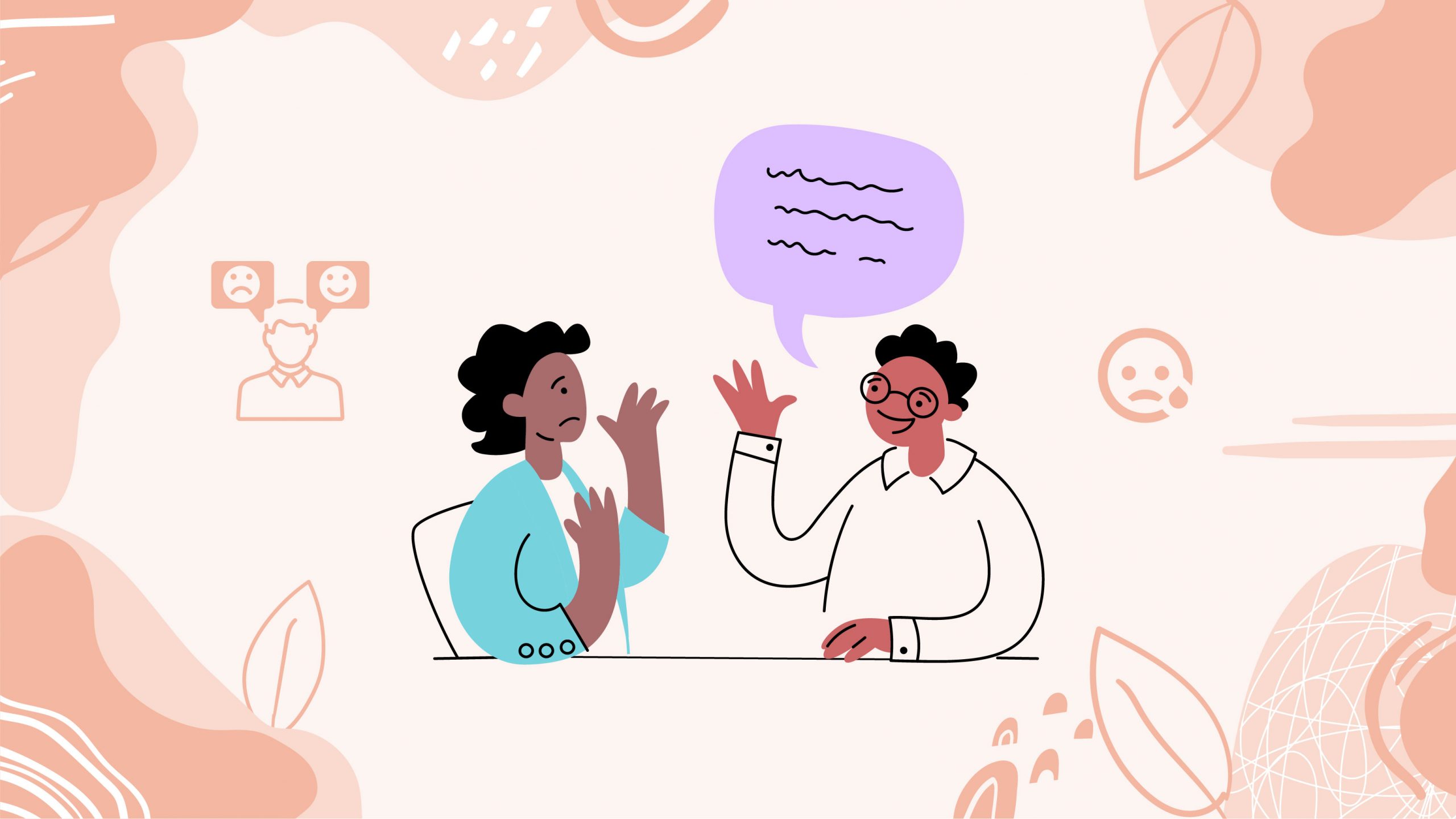
- Engage in Active Listening: When interacting with others, really focus on what they are saying without planning your response while they are speaking. This helps in understanding their perspective and reduces the likelihood of misunderstandings and reactive responses.
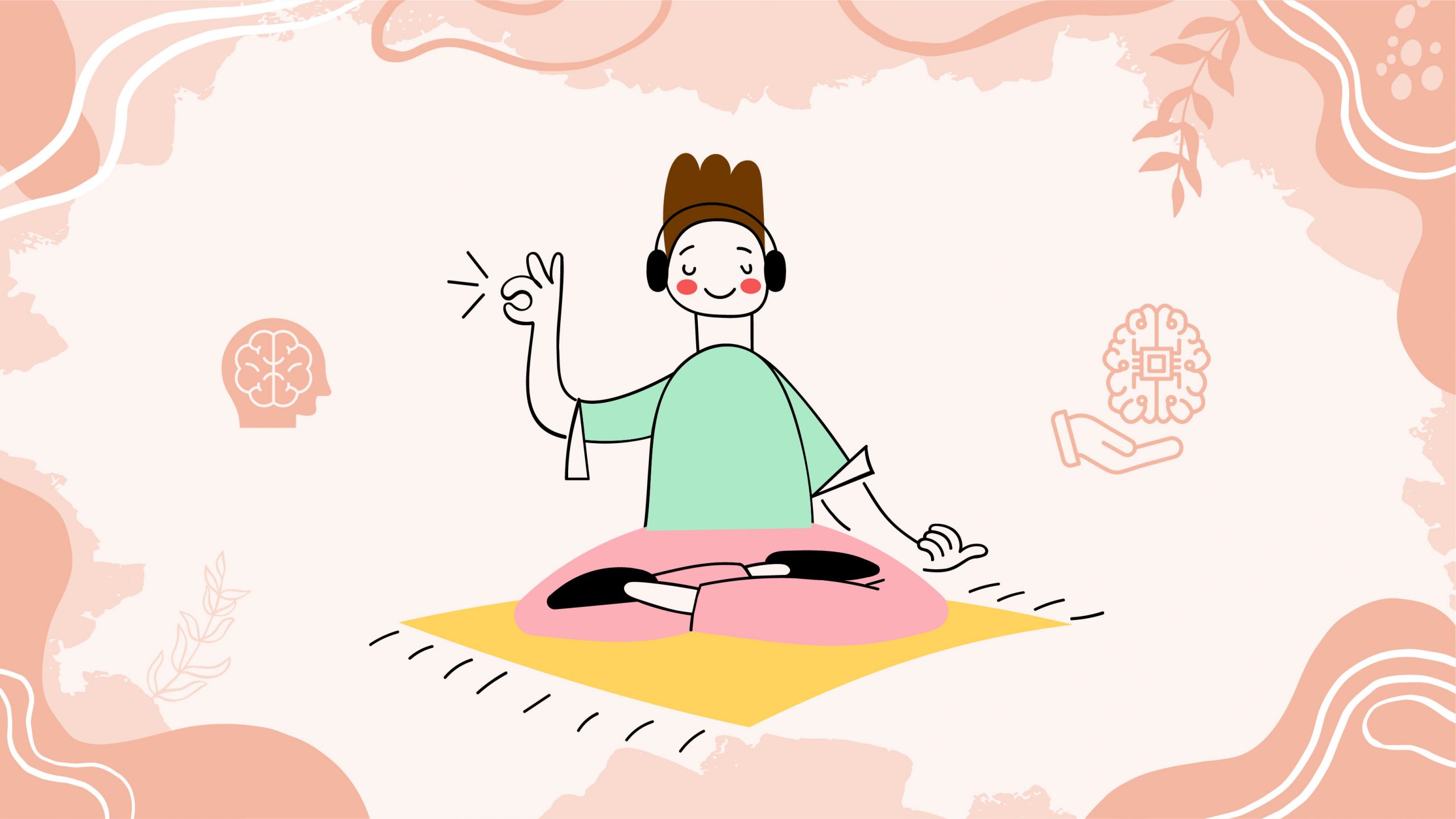
- Implement Stress-Reduction Techniques: Incorporate relaxation practices such as deep breathing exercises, meditation, or gentle yoga into your routine. These methods help in calming your mind and body, making you less likely to react impulsively and more likely to respond thoughtfully in stressful situations.
- Reflect on Interactions: Regularly take time to think about your interactions with others. Consider what went well and what could have been better. Think about how different reactions might have led to different outcomes. This reflection not only boosts your empathy but also enhances your ability to handle similar situations better in the future.
- Build Empathy: Try to put yourself in others’ shoes, especially during conflicts or misunderstandings. Understanding others’ feelings and perspectives can greatly improve your interactions and lead to more positive outcomes.
An Emotional Intelligence Training
Meet Ava, a dedicated project manager who used to find her workdays punctuated by stress and snappy exchanges. Her role required constant collaboration, but miscommunications were frequent, making teamwork feel like a struggle rather than a synergy. Determined to change the dynamics within her team, Ava turned to emotional intelligence (EI) training as a tool for personal and professional growth.
“Before I started my EI journey, I often reacted quickly without considering the impact of my words,” Ava admits. “I knew I needed to change when I saw how my reactions were affecting not just me but also the people around me.”
Ava enrolled in several workshops focused on enhancing emotional intelligence, where she learned crucial skills like identifying her emotional triggers and the importance of taking a breath before responding. She also adopted a daily meditation practice to better manage her stress levels and clear her mind.
“The changes didn’t happen overnight, but as I became more aware of my emotions and more thoughtful in my responses, I noticed a significant shift in how I interacted with my team,” Ava shares. “Difficult conversations became easier to navigate, and I started to see a positive change in how my team interacted with each other as well.”
Her commitment to developing her emotional intelligence paid off not only in smoother interactions but also in enhanced team morale and productivity. “Now, I approach challenges with a calmness that helps me think clearly. My team has noticed the change, and it’s fostered a more supportive and collaborative environment at work.”