




What is a Stressor
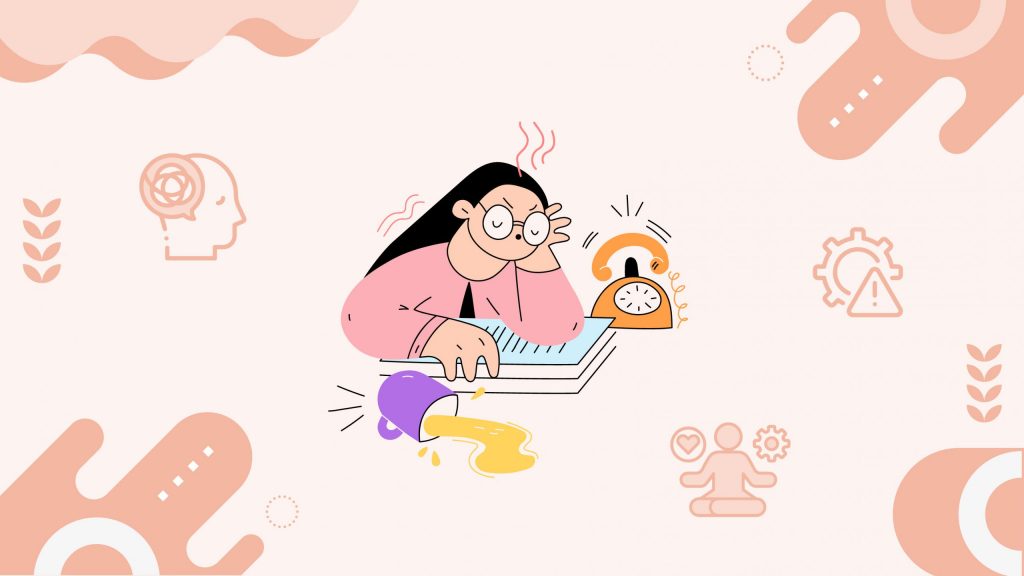
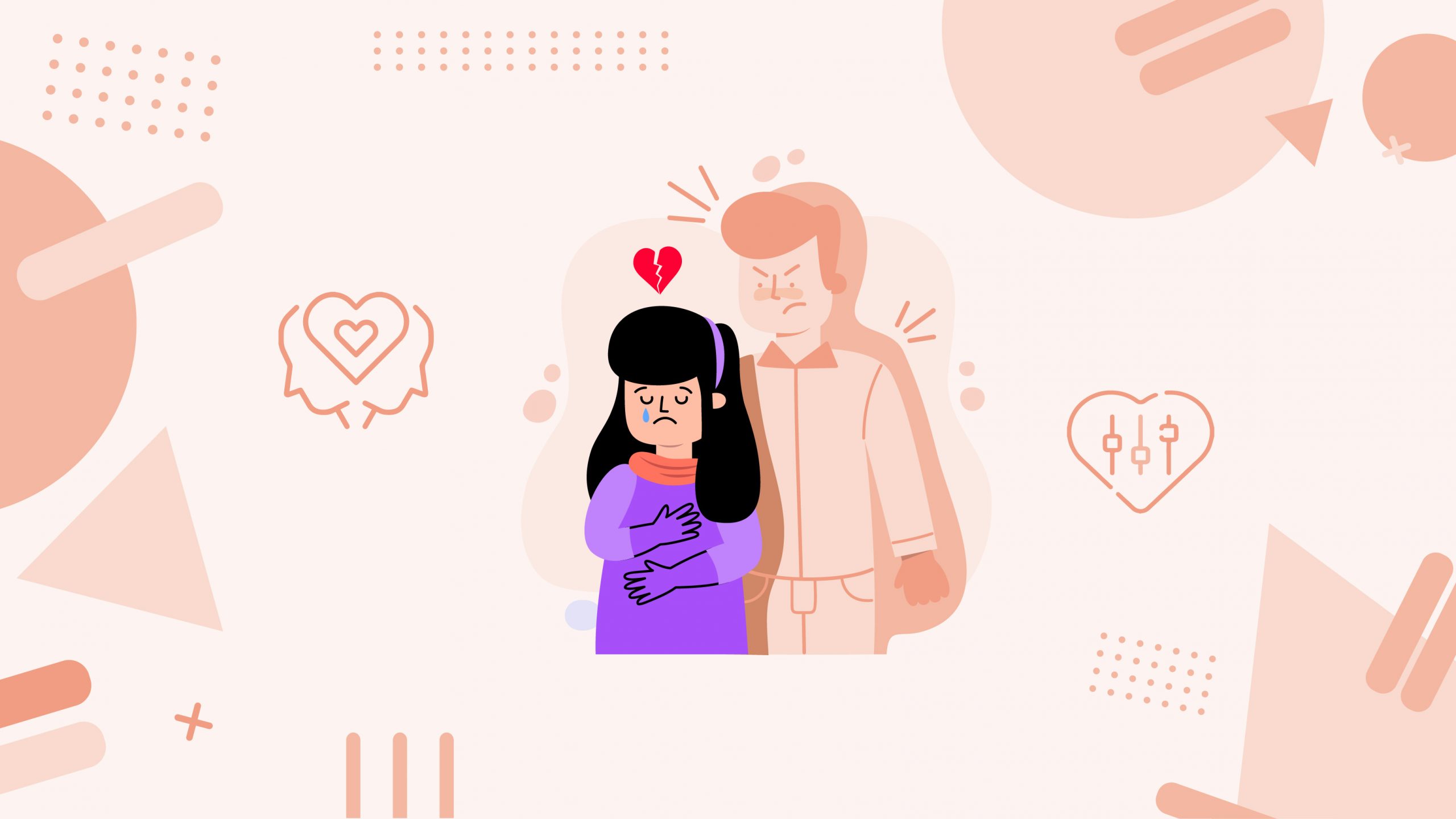
Picture this: You’re walking through your day with an invisible backpack, and with each step, it gets a bit heavier. It’s not something you can see, but you definitely feel it—a relentless pressure that gradually wears you down. That’s a lot like navigating modern life with its relentless demands. We all face the obvious stressors—hitting deadlines at work, managing family responsibilities, and trying to maintain a social life. But there are also sneakier, more insidious strains that slip into our daily routines without a moment’s notice.
These hidden stressors are the undercurrents in what might look like calm waters. Think about the constant notifications from our phones that fracture our focus, the never-ending cycle of news and social media that keeps our minds on high alert, and the societal push to always be doing more, achieving more, and being more. These pressures quietly weave their way into our lives, slowly but surely eroding our mental and physical well-being.
Acknowledging and tackling these hidden stressors isn’t just helpful; it’s essential. Yet, in our always-on world, it’s a task we often neglect. By recognizing these stealthy stressors and taking proactive steps to manage them, we can shift from feeling overwhelmed to in control. This shift doesn’t just make our days more manageable; it fundamentally restores our well-being, lightening that invisible load we carry every day.
Examples and Different Types of Stressors
Isn’t it a bit unsettling how those tiny irritants—like the relentless buzz of notifications or the harsh glare of office lights—accumulate, weighing us down by day’s end? Here’s why: It’s all about how our bodies and brains react to stress, regardless of its size or obvious threat level.
When we encounter a stressor, our brain doesn’t pause to classify it as big or small; it just reacts. This reaction triggers a survival mechanism—kicking our adrenal glands into gear to pump out cortisol and adrenaline. These hormones prepare us for a fight-or-flight response, a lifesaver in ancient times when dodging predators, but now more likely to be triggered by a barrage of emails than a wild beast.
In the short term, these hormones are lifesavers, heightening our awareness and energy. But when this response is continuously triggered by daily hassles, those hormones don’t just switch off. They build up, keeping our bodies in a perpetual state of high alert. Over time, this can lead to chronic stress, with serious repercussions like anxiety, depression, and sleep disturbances.
Physiologically, it’s like leaving your car’s engine revving all day. Eventually, the wear and tear start to show—higher blood pressure, increased risk of heart disease, and overall accelerated aging. This ongoing exposure to stress hormones can deteriorate our health, making it crucial to understand that these so-called minor annoyances are not just annoying—they’re potentially harmful. Recognizing and mitigating these persistent stressors is vital for maintaining our mental and physical health in the long haul.
Subscribe to newsletter
Get your “Gut Health Starter Guide” right now.
Elevate your Tuesdays with practical, science-backed wisdom propelling you forward on your gut health journey.
Steps to Handle Stress
To mitigate these hidden stressors, begin by becoming a detective in your own life:
- Conduct a Stress Audit: Keep a diary for a week to note when you feel stressed. Look for patterns that might indicate hidden stressors.
- Optimize Your Environment: Adjust your living and workspaces to reduce unnecessary stress. This might mean enhancing lighting, reducing noise, or organizing your space.
- Mindfulness and Meditation: Incorporate mindfulness exercises to help recognize and diffuse stress before it escalates.
- Healthy Routines: Establish routines that promote physical health and mental well-being, such as regular exercise, a nutritious diet, and sufficient sleep.
- Seek Professional Advice: Sometimes, identifying stressors requires outside help. Don’t hesitate to consult with a therapist or a life coach who can offer professional insights and strategies.
A Real-life Stress Management Plan
Meet Emily, a 35-year-old software developer who struggled with relentless fatigue and irritability, symptoms she initially couldn’t pinpoint the cause of. Her day-to-day was marred by chronic headaches and persistent neck pain, which she chalked up to the usual stresses of her job. It wasn’t until she consulted an occupational therapist that she uncovered a hidden culprit: her workstation setup.
Emily learned that her chair, desk height, and the position of her computer monitor were far from ideal, straining her body throughout the workday. Inspired by this revelation, she made several adjustments to her workspace. “I optimized the ergonomics of my setup, ensuring my monitor was at eye level and my chair supported my posture,” Emily explains.
The changes she implemented were simple yet transformative. She began taking regular breaks to stretch and take short walks, which not only alleviated her physical ailments but also boosted her mental clarity and focus. “I was amazed at the difference,” Emily says. “The headaches subsided, my energy levels improved, and I started feeling more proactive and engaged with my work.”