




Internal Barriers of Self-Sabotage
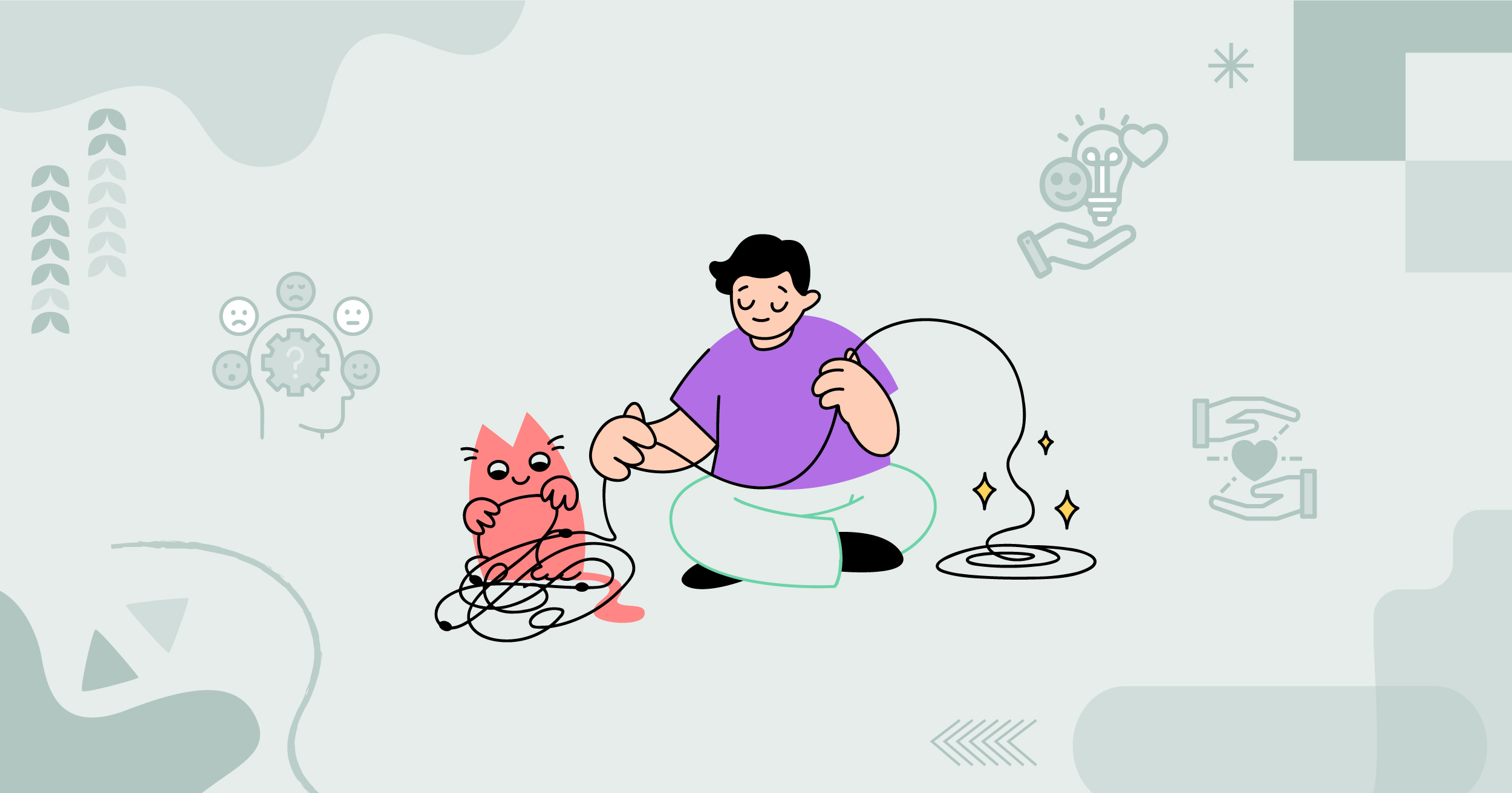
Have you ever been on the verge of a personal breakthrough or a professional victory and found yourself inexplicably stepping back just as triumph seemed within reach? It’s like there’s a part of you that freezes up or runs in the opposite direction. Many of us encounter this puzzling scenario: poised to nail a crucial job interview, commit to a relationship, or follow through on a fitness plan, only to find ourselves inexplicably sabotaging our own success.
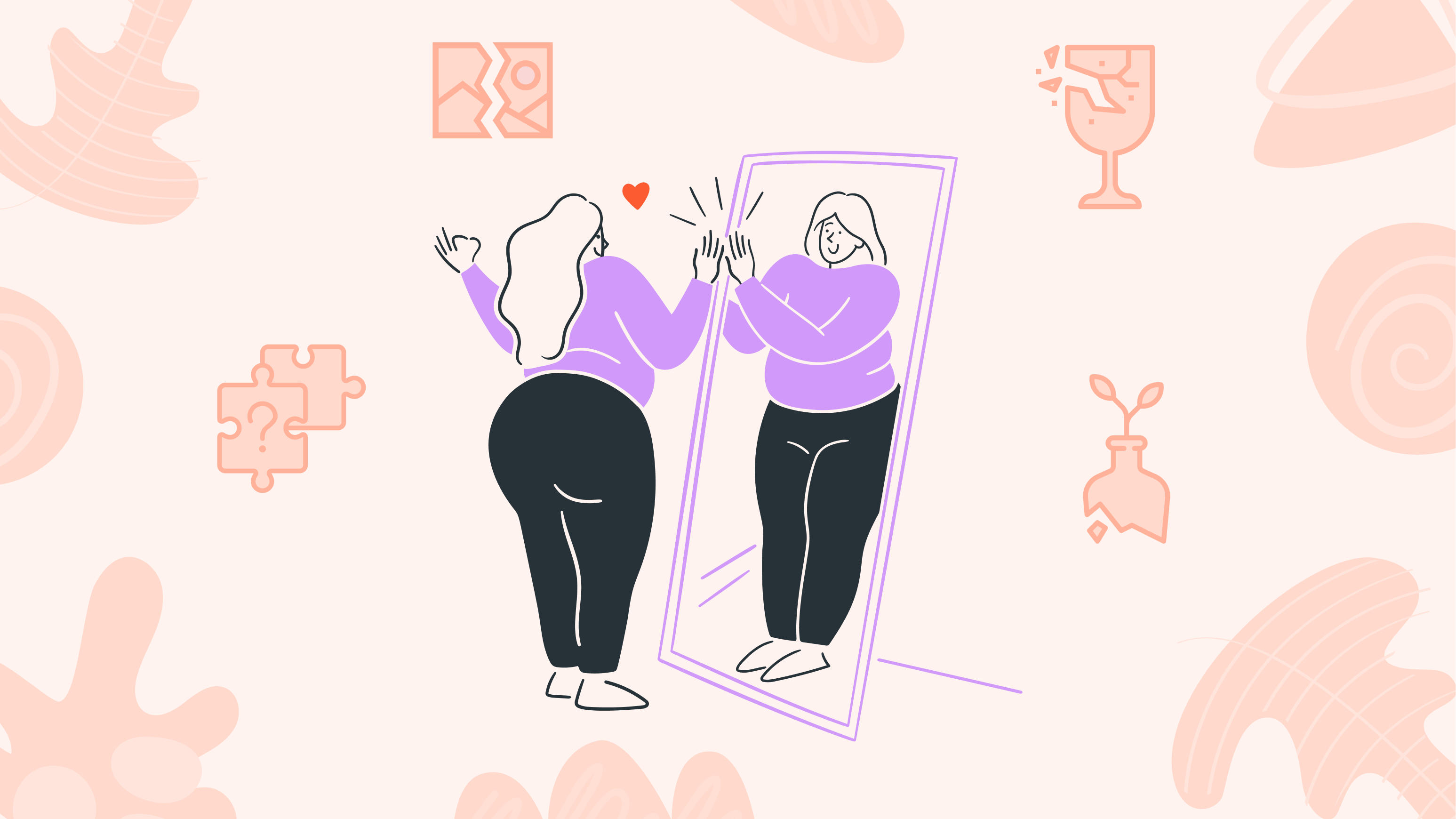
This internal conflict often feels like wrestling with a shadowy version of ourselves—one that’s intent on maintaining the status quo at all costs. Whether it’s the voice that whispers you’re not good enough when preparing for a presentation, or the sudden urge to clean the entire house when you need to sit down and study, these acts of self-sabotage are both bewildering and frustrating.
The challenge lies in recognizing that these barriers aren’t just quirks or bad habits; they’re manifestations of deeper fears—fear of failure, fear of judgment, or even fear of success. Each act of procrastination or perfectionism is like a symptom of a more significant internal struggle, where part of you wants to advance and another part resists because it’s safer to stay in familiar territory.
To move forward, it’s essential to identify these self-defeating patterns and understand their roots. Whether it’s through self-reflection, therapy, or talking it out with a mentor, addressing these hidden fears is key. Only by shining a light on these shadowy parts of our psyche can we hope to overcome them, clearing the path not just to achieve our goals but to embrace a fuller, more authentic version of ourselves.
What is Self-Sabotaging Behavior
Have you ever found yourself on the edge of achieving something great, only to inexplicably do something that pulls you several steps back? This frustrating phenomenon, commonly known as self-sabotage, can often leave us wondering why we seem to be our own biggest obstacle. The answer to this perplexing question lies deep within our brain’s intricate wiring.
At the core of self-sabotage is our brain’s defense system, particularly the amygdala. This tiny, almond-shaped part of our brain plays a crucial role in processing emotions, especially fear. When we’re about to step into uncharted territory—be it a promotion, a new relationship, or any significant change—the amygdala springs into action. It perceives these potential changes not as opportunities but as threats, akin to the dangers our ancestors might have faced in the wild.
This triggers a cascade of stress hormones like cortisol and adrenaline, preparing our bodies for a fight-or-flight response. In modern times, though, these physical reactions are less about fleeing from predators and more about fleeing from potential failure or judgment. This might manifest as suddenly procrastinating on a project deadline, self-doubting during a crucial moment, or even subconsciously undermining our own efforts in various aspects of life.
Additionally, our brains are creatures of habit, relying on established neural pathways to guide our behavior. When under stress, it’s easier for the brain to revert to these old pathways, which can include the destructive patterns of self-sabotage. It’s like following an old, familiar trail through the woods—it might not lead where we need to go, but it’s the path of least resistance.
Understanding this neurobiological backdrop can empower us to start rewriting these patterns. By acknowledging that our brain’s initial impulse to protect us might be outdated, we can consciously choose to forge new paths, developing healthier responses to fear and stress. Recognizing the role of the amygdala and our habitual neural pathways in self-sabotage is not just enlightening—it’s the first step towards taking control back from the unseen forces that drive us to undermine ourselves.
Subscribe to newsletter
Get your “Gut Health Starter Guide” right now.
Elevate your Tuesdays with practical, science-backed wisdom propelling you forward on your gut health journey.

Practices to Stop Self-Sabotaging
Breaking the cycle of self-sabotage requires intentional action. Here’s how to start:
- Awareness is Key: Recognize patterns of self-defeating behavior. Journaling can help identify when and why they occur.
- Set Small, Achievable Goals: Break larger tasks into manageable steps to avoid overwhelming your brain’s fear response.
- Mindfulness and Meditation: These practices can reduce the activity of the amygdala, helping to mitigate the fight-or-flight response.
- Reframe Challenges: Use cognitive restructuring to change your perception of challenges from threats to opportunities for growth.
- Seek Feedback and Support: Engage with mentors or support groups to help validate your efforts and adjust your approach.
Turning Tides
For Emily, a 32-year-old entrepreneur, the early days of her startup felt like being stuck in traffic, hitting every red light on her way to an important destination. “Just when things started to look promising, I’d find myself facing another setback. It was as if I were subconsciously placing hurdles in my own path,” Emily candidly shares. At the heart of these challenges was not the market or the economy but her own internal battle—a pervasive fear of failure that kept her from fully embracing her company’s potential.
Emily’s real turning point came when she began to see the connections between her self-sabotaging behaviors and a deep-rooted fear of not living up to expectations, a fear amplified by her past setbacks. “It was a vicious cycle; every small success increased my anxiety about what came next. I was haunted by the fear of failing again,” she reveals.
Driven by a desire to break free from this cycle, Emily embraced mindfulness to manage her anxiety. She started incorporating daily meditation into her routine, focusing on staying present and grounded. Alongside this, she shifted her approach to goal setting, choosing to celebrate small, daily achievements rather than only fixating on larger objectives. “Recognizing and celebrating small wins each day slowly changed how I viewed success and failure. It became less about avoiding failure at all costs and more about steady, day-to-day progress,” Emily explains.
This shift in perspective brought about a profound transformation in both her professional and personal life. Not only did Emily’s startup thrive, growing beyond her initial aspirations, but her personal well-being improved dramatically. “These changes didn’t just save my business—they transformed my entire approach to life. I’ve learned to trust in my abilities, live in the moment, and embrace whatever comes with a sense of confidence and openness,” Emily reflects with a smile.
Now, looking ahead, Emily feels equipped with the tools and mindset to tackle future challenges without fear. “I’m not just surviving; I’m thriving. I’m genuinely excited about what the future holds and deeply fulfilled by how far I’ve come,” she concludes.