







The Gratitude Gap
Ever notice how we often sprint through our days, eyes fixed on what’s next or what’s missing? In the whirlwind of modern life, stopping to appreciate the little wins or everyday blessings isn’t just difficult—it sometimes feels downright unnatural. We’re wired to strive for more, constantly pushing the bar higher, which can leave us blind to the wealth of good already present in our lives.
This relentless pursuit can trap us in a cycle of perpetual dissatisfaction. Instead of celebrating a job well done, we fret over the tasks ahead. Instead of cherishing a quiet morning coffee, we scroll through our feeds, confronted by the highlight reels of others, which can stir up envy and a nagging sense of lacking.
The truth is, gratitude doesn’t always come easy. It’s like a muscle that needs regular exercise, or it atrophies. When we fail to flex it, we’re left feeling a bit hollow, chasing shadows of fulfillment in a maze of material wants and social comparisons. But here’s the kicker: the real riches lie not in acquiring more but in appreciating what’s already right in front of us.
Unraveling the Science of Gratitude
Ever wondered why saying a simple “thank you” can make your day suddenly brighter? Here’s a scoop from the world of neuroscience that might surprise you. When we express gratitude, our brain kicks into a happier gear. Specifically, it triggers our reward system, lighting up like a Christmas tree, releasing those all-important ‘feel-good’ chemicals—dopamine and serotonin. These aren’t just any chemicals; they’re our natural mood lifters and stress busters, giving us a surge of happiness whenever we count our blessings.
But there’s more to gratitude than just a quick emotional boost. When we make it a habit to acknowledge the good in our lives, we’re actually engaging our prefrontal cortex—the brain’s command center for making decisions and regulating emotions. Regular doses of gratitude help this area of the brain run smoother and more efficiently, enhancing our overall mental resilience and emotional health.
So, think of gratitude as a workout for your brain, one that strengthens your mental health over the long term. It’s not just about feeling good in the moment; it’s about building a robust emotional foundation that can transform your overall well-being.
Subscribe to newsletter
Get your “Gut Health Starter Guide” right now.
Elevate your Tuesdays with practical, science-backed wisdom propelling you forward on your gut health journey.

Daily Doses of How to Practice Gratitude
So, how do we harness the benefits of gratitude? Start with these simple practices:
- Gratitude Journaling: Each day, write down three things you are thankful for. This can shift your focus from what’s missing to what’s present.
- Mindful Thank Yous: Make it a habit to express sincere gratitude daily, whether verbally or through a message, to those around you.
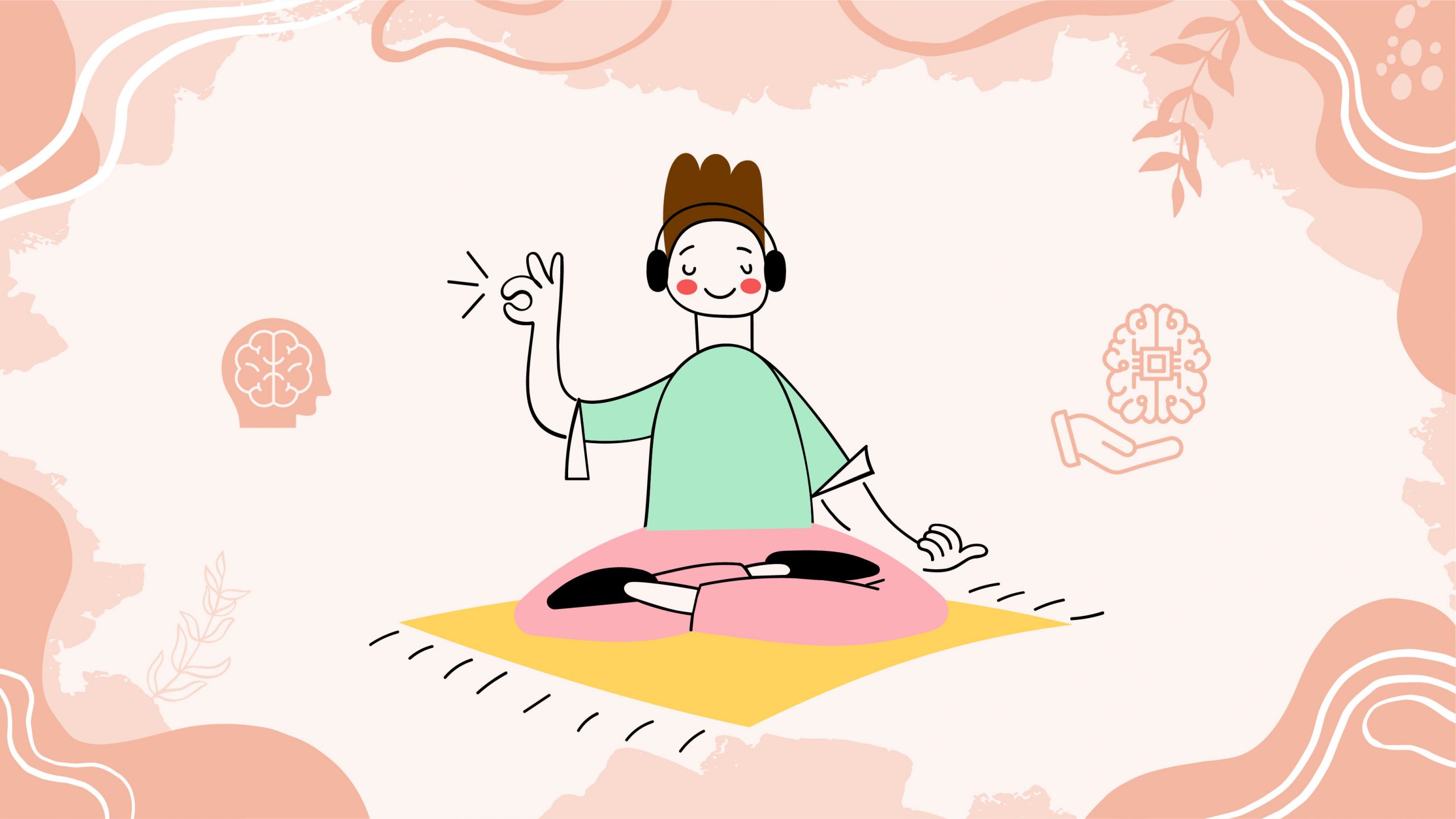
- Gratitude Meditation: Spend a few minutes in meditation focusing on a specific thing you’re grateful for. Imagine how different aspects of your life have been enriched by this element.
- Gratitude Walks: Incorporate gratitude into your physical activities. During a walk, for instance, take a moment to appreciate the natural beauty around you—the crisp air, the rustling leaves, or the bustling city life. Reflect on the freedoms and physical abilities that allow you to experience such moments.
- Gratitude Reminders: Set up visual reminders around your home or workspace. It could be a sticky note on your mirror, a photo that brings you joy, or a daily alert on your phone that prompts you to pause and think of something you’re grateful for. These reminders can help keep gratitude at the forefront of your mind, especially on challenging days.
- Community Gratitude: Extend your gratitude practice to a community level by participating in or starting a gratitude circle in your network, where members share things they’re thankful for. This can enhance feelings of connectedness and provide new perspectives on what to be grateful for.
- Creative Gratitude: Channel your thankfulness into creative expressions like drawing, painting, or writing poetry. Focusing your creative energies on the themes of gratitude can be both therapeutic and fulfilling, allowing a deeper exploration of your feelings.
- Gratitude Jar: Keep a jar where you and your family or colleagues can drop notes of gratitude. Make it a weekly or monthly ritual to read these notes together, celebrating and reflecting on the positive aspects of your lives. This can be particularly uplifting and bonding.
The Joy Multiplier
Meet Anna, a 38-year-old teacher navigating the relentless demands of her job while raising three kids. Feeling increasingly overwhelmed, Anna decided to try gratitude journaling, albeit skeptically. She wasn’t sure that focusing on the positives could genuinely alter her perception or alleviate the pressures she felt. However, committed to giving it a fair shot, she began to write down three things she was grateful for every day.
To her surprise, within a few weeks, Anna noticed a significant uplift in her mood and a broader appreciation for her daily experiences. “At first, it felt a bit forced, like I was searching for things to be grateful for,” Anna admits. “But soon, I started to realize there were countless moments of joy around me—my child’s laughter, a supportive note from a colleague, even the comfort of my bed after a long day.”
This newfound perspective brought a profound transformation in how she interacted with her environment. The routine of acknowledging the good in her life not only enriched her emotional well-being but also positively influenced her interactions. “It changed how I approached my day,” Anna reflects. “I became more patient, more present, and honestly, a lot happier.”
The impact extended beyond her personal feelings; it touched her family and her classroom environment. Her children began to express their gratitude more frequently, and her students appeared more engaged and cooperative. “The shift was palpable. My home became a sanctuary of thankfulness, and my classroom turned into a space where students felt valued and heard,” she explains.